Get Full Government Meeting Transcripts, Videos, & Alerts Forever!
Get email alerts on the Municipal Governance topic
No spam. Unsubscribe anytime.
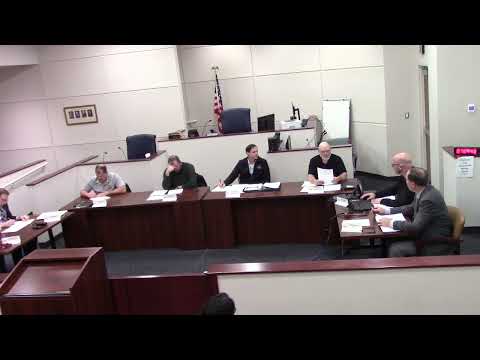
Shelby council declines emergency declaration for food‑service fee increase; several ordinances advance or pass
Summary
At its meeting, Shelby City Council rejected a motion to suspend the three‑reading rule and declare an emergency for proposed increases to food‑service plan‑review fees; council approved multiple other ordinances, including minimum lot‑width and subdivision regulation changes, and advanced budget transfer legislation for year‑end accounting.
Shelby City Council declined to declare an emergency for a proposed increase to food‑service plan‑review fees, and approved several other ordinances as the body wrapped up year‑end business.
Council debated Ordinance number 29‑2024, which would amend retail food establishment plan‑review fees and related health‑division charges. Councilman Mitchell Roberts moved to suspend the rule requiring three separate readings and declare the ordinance an emergency so new fees could take effect this year; Councilman McLaughlin seconded. Opponents argued three readings give the public adequate time to comment and that a flat fee could disproportionately affect small businesses such as tattoo parlors and small retail projects. The motion to suspend the three‑reading rule failed to garner the required supermajority and did not carry; the ordinance remained set for its second reading.
Meanwhile the council approved several items on the regular agenda. Ordinance number 21‑2024, updating minimum lot‑width requirements, passed on third reading. Ordinance number 23‑2024 — amending subdivision regulations in the city code — also passed on its third reading. The council also approved housekeeping appropriations and transfers (Ordinance 33‑2024) to rebalance line items ahead of year‑end and advanced swimming‑pool licensing fee changes to the next reading.
Council members who spoke during the debate emphasized two recurring points: protecting small businesses from disproportionate fees, and the practical timing constraint that led proponents to seek an emergency declaration. As one council member said during debate, “we should be able to differentiate” fee application so large, complex projects bear higher review costs while smaller businesses are not unduly burdened.
The meeting concluded with the council moving on to other legislative items and scheduling further readings; the food‑service fee proposal remains pending additional consideration and potential amendment before final passage.