Get Full Government Meeting Transcripts, Videos, & Alerts Forever!
Get email alerts on the Public Health Fees topic
No spam. Unsubscribe anytime.
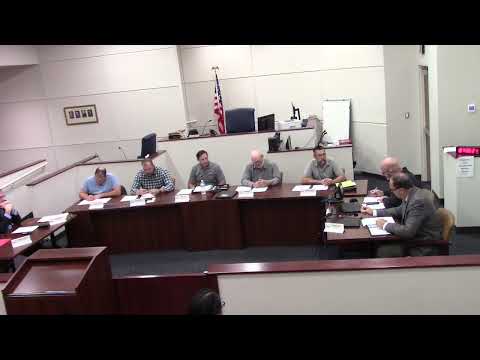
Council debates new health‑department fees, including proposed plan‑review charge
Summary
Sanitarian Dylan Olsen presented a package of proposed changes to retail‑food and pool licensing fees, including a new plan‑review fee and a low‑risk mobile food category required by state code; Councilmember Martin opposed adding new fees at this time.
Sanitary staff presented proposed changes to the city's public‑health fee schedule and faced pushback from some councilmembers over the timing and scope of new charges.
Dylan Olsen, the city's sanitarian, told council the ordinance (part of a health‑fees package) would raise fees for risk classes 1–4, vending and temporary food permits, reduce mobile‑food fees and add a separate fee for low‑risk mobile food establishments that the state code established in September. Olsen also proposed a plan‑review application fee for retail food establishments, which she said is charged elsewhere because plan reviews can be extensive.
Councilmember Martin said he opposed adding the plan‑review application fee now, calling it "too far" and an unnecessary burden on local businesses: "I don't support adding that additional fees at this time." Olsen replied the fee would be a one‑time charge where a formal plan review is required and that other health departments commonly charge for that workload. She also said public‑swimming pool fees were last updated in 2017 and that locally there are three facilities affected (the YMCA, a park facility and a school/Slushman site).
Councilmembers agreed to publish the proposed fee charts and to discuss the proposals further at an upcoming safety committee meeting; several members said they preferred completing three readings instead of using emergency suspension for fee increases. The health‑fees ordinances remained at first reading after the amendments and process changes were made.
What happens next: Staff will distribute the proposed fee chart by email and the safety committee will address the fee package ahead of subsequent readings.