Get Full Government Meeting Transcripts, Videos, & Alerts Forever!
Get email alerts on the Elected Compensation topic
No spam. Unsubscribe anytime.
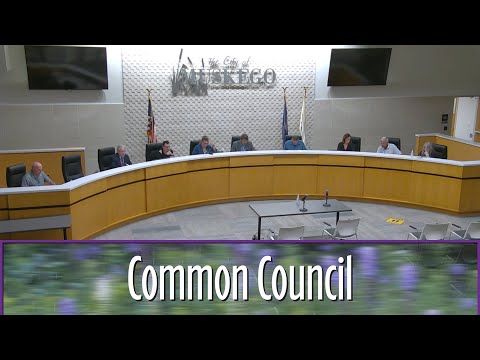
Muskego council rejects mayor pay increase after heated debate over elected-official compensation
Summary
On Sept. 17 the Muskego Common Council debated and ultimately rejected a proposal to raise the mayoral salary from $72,000 to $82,000 effective 2026. Council members also discussed separate proposals to increase alderman expense reimbursements but no amendment passed.
The Muskego Common Council debated raises for elected officials during its Sept. 17 meeting and voted down a proposed mayoral pay increase after a tied roll-call and a statutory vote-threshold requirement.
The council opened a second reading of Ordinance 1495, which would have increased the mayor’s salary from $72,000 to $82,000 beginning in 2026. The change, presented as part of the ordinance’s second reading, was described by the clerk as effective with the next mayoral term.
Alderperson Wolf asked the council to reconsider a prior compensation resolution and argued alderperson expenses no longer cover the out-of-pocket costs of serving, saying he was “not comfortable giving myself money” yet proposing an immediate $100-per-month increase to expenses starting Jan. 1 (equivalent to $1,200 per year). He framed the request as addressing rising costs for items such as fuel, insurance and supplies.
Opponents questioned the comparables used to justify the mayoral raise and whether the city was comparing similar municipalities. One councilor, Kevin Gavin, said many listed comparables did not appear similar to Muskego. Others argued elected offices should remain public-service roles and suggested a referendum rather than a council vote to decide pay increases. Another member noted that some mayoral duties (for example HR tasks) now fall to a full-time employee, questioning the case for a higher salary.
Councilors held a roll-call vote on the ordinance. The recorded votes produced a 3–3 split. Council members noted Wisconsin law requires a three‑quarters vote of the common council to approve a pay increase for elected officials; the mayor declined to cast a tie-breaking vote, and the ordinance failed for lack of the required statutory threshold.
Separately, Wolf’s proposal to raise aldermen’s expense reimbursements drew several amendment attempts: a $100/month increase lacked a second; an alternative split proposal ($50/month to expenses and $50/month to salary) was discussed but did not result in an adopted amendment during the meeting.
The debate mixed questions about the fairness of self‑granting increases, the methodology of salary comparisons with other municipalities, and the legal threshold required for pay increases. The council moved on after determining the ordinance had not received the votes necessary for approval.
The council will revisit compensation-related items only if brought back under proper motion or future agenda placement; no new effective changes were adopted at the Sept. 17 meeting.