Get Full Government Meeting Transcripts, Videos, & Alerts Forever!
Get email alerts on the Public Comment topic
No spam. Unsubscribe anytime.
Residents press board on NEOLA, books, curriculum and cell-phone rules during heated public comment
Summary
Several dozen residents used the Aug. 12 public-comment period to criticize district governance, request NEOLA contract records, urge revisions to the book-reconsideration procedure, raise data-privacy questions and call for stricter limits on classroom cell-phone use.
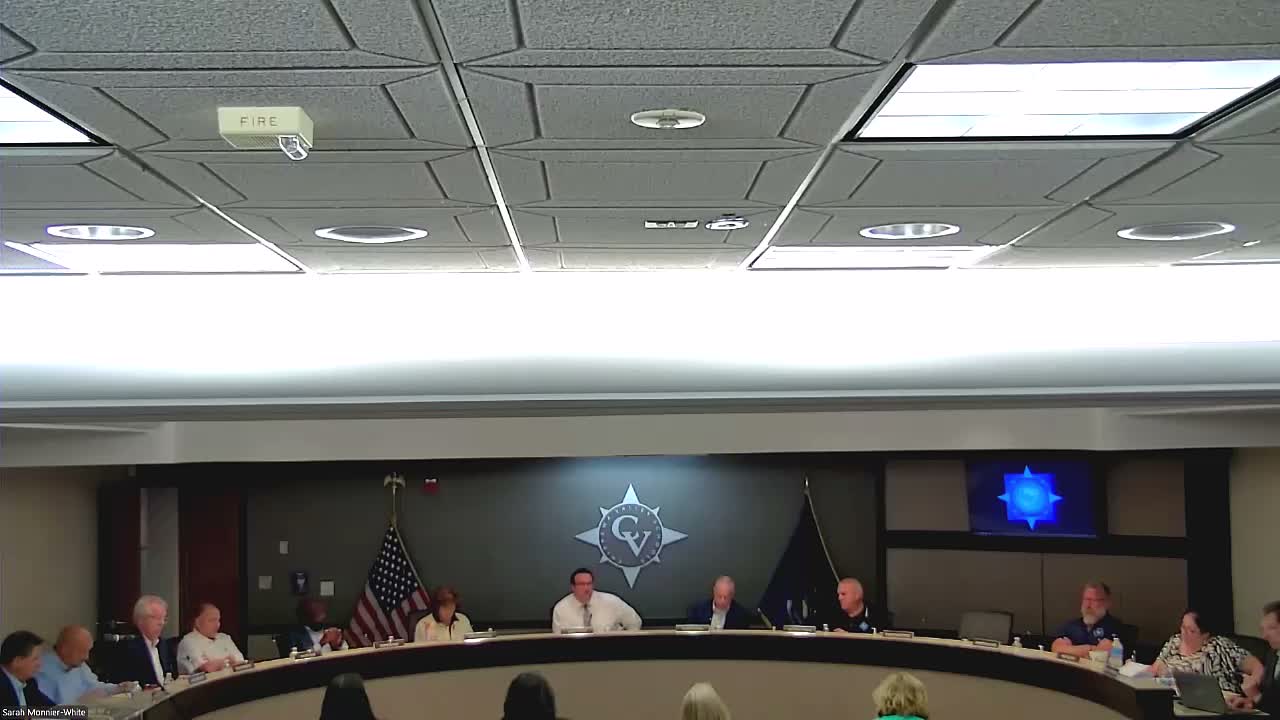
A lengthy public-comment period at the Chippewa Valley Schools board meeting on Aug. 12 produced a series of sharply critical remarks and specific requests from residents.
Multiple speakers accused board leadership and administration of lowered standards, insufficient transparency and problematic curriculum choices. One commenter, Leanne, said the board has “standards and expectations lowered” and alleged a focus on ideology rather than student achievement. Another attendee, Amelia, accused the board and administration of violating open-meetings laws and called for greater accountability.
Several speakers raised questions about NEOLA, the outside policy vendor used by the district. Rita Zielinski asked, “When did we begin using Neola? How much do we pay for their organization, their services?” and requested at least two years of communications with NEOLA. District staff did not provide contract start date or payment details during the meeting and said such records can be provided through administrative channels.
David Lux criticized the district’s book-reconsideration procedure, telling trustees that the policy lacks specific timing requirements for initial steps and that “the absence of specified timeliness for the initial steps...is a significant flaw,” increasing the risk of administrative delay.
Other community comments included privacy questions about the district’s data-sharing practices, raised by Peter Kaye, and calls for a ban on classroom cell-phone use from Jason Seifert, who cited studies that link reduced phone use to improved student learning and lower anxiety.
Superintendent Roberts and trustees responded to the public comments by repeating a willingness to address specific, documented incidents. Roberts asked that citizens provide particular details about classroom concerns or alleged policy violations so district staff can investigate and respond rather than rely on general assertions.
The meeting record shows these concerns are on the board’s radar; several trustees also said new cell-phone guidelines will be communicated to families before the school year begins.