Get Full Government Meeting Transcripts, Videos, & Alerts Forever!
Get email alerts on the Criminal Justice topic
No spam. Unsubscribe anytime.
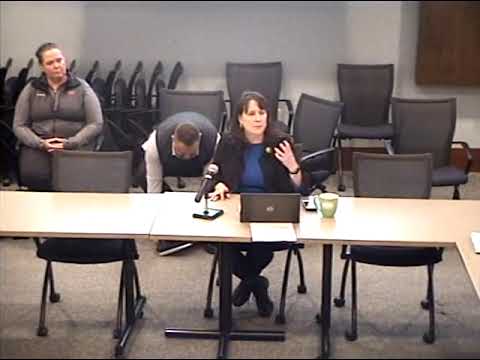
Cumberland County DA outlines $2.5M assault‑kit grant, flags restitution and caseload strains
Summary
District Attorney Jackie Sartorius told the Finance Committee the office won a three‑year federal sexual‑assault‑kit grant of about $2.5 million to pay for testing, a full‑time prosecutor and an investigator, but warned the office lacks a dedicated restitution position and is juggling record caseloads and limited prosecutor staffing.
District Attorney Jackie Sartorius told the Cumberland County Finance Committee that her office will receive a three‑year federal grant worth roughly $2.5 million to test sexual‑assault evidence kits, add a full‑time prosecutor and hire an investigator to support prosecutions and prevention efforts.
Sartorius described the award as a long‑sought resource and said testing kits is critical: "We are finally the only county in the state of Maine that is gonna be doing this work," she said, noting other jurisdictions’ experience that testing connects perpetrators to other crimes. The grant will fund third‑party laboratory testing and training for evidence‑collection nurses, prosecutors and law enforcement, she said.
The DA used the presentation to flag gaps the office wants the county to consider: she said the office currently has no full‑time restitution clerk and relies on overtime, which leaves “hundreds of thousands of dollars” owed to victims insufficiently pursued. Sartorius described her budget as mostly status‑quo but asked the committee to consider a restitution position in the near term to recover funds for victims.
Sartorius also described persistent caseload pressure since the pandemic. She said pending felony matters rose from about 944 in 2019 to roughly 1,406 in the most recent period and that prosecutors have not increased commensurately. That workload informed a temporary policy to deprioritize certain low‑level motor‑vehicle charges so prosecutors could focus on more serious work, a move that drew criticism from some law enforcement quarters, she said.
On data and evidence technology, Sartorius supported moving county video and evidence storage to a third‑party Axon platform for capacity and redaction tools, but cautioned that AI‑generated transcripts are imperfect and cannot be used to charge cases: they are a triage aid, not a substitute for review.
The committee did not take a formal vote on new DA budget requests during the presentation. Sartorius said the office will report back on outcomes and periodic reports tied to the federal grant.