Get Full Government Meeting Transcripts, Videos, & Alerts Forever!
Get email alerts on the Appeals And Transparency topic
No spam. Unsubscribe anytime.
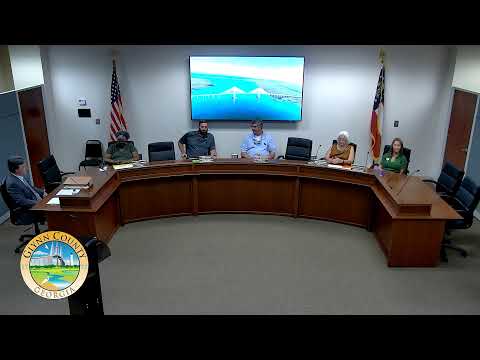
Glynn County assessors report appeals progress and press for clearer consent-agenda documents as live-streaming debate continues
Summary
Chief Appraiser Ryan Glisson reported the office handled about 1,200 appeals this year and that the board is ahead of last year; board members raised readability concerns about vendor-generated consent-agenda spreadsheets and debated the value of live-streaming meetings to the public.
At the Oct. 24 meeting, Chief Appraiser Ryan Glisson told the Glynn County Board of Assessors the office processed roughly 1,200 appeals in 2024 and that after today 1,199 appeals will have been completed through the board, with one remaining appeal scheduled for Nov. 14.
Glisson also announced the appraisal office’s new customer-service area is open and thanked facilities and IT staff for the expansion. He reviewed three ballot items on the Nov. 5 statewide ballot — two proposed constitutional amendments and a statewide referendum about tangible personal property — and described the likely local effects, including that the referendum’s higher exemption threshold would benefit many taxpayers but could shift tax burden to others.
Members spent a substantial portion of the meeting discussing the presentation format of consent-agenda materials. Several board members said vendor-produced spreadsheets are hard to read because they list parcel/account numbers without addresses or explanatory headings. Glisson acknowledged the vendor’s standard output is used widely and said adding addresses or changing format would require vendor work and likely cost; he offered to obtain cost estimates and presented an alternative to export the data to Excel or to produce an addendum page with addresses and comments.
That discussion dovetailed with a heated exchange about live-streaming. One board member questioned the usefulness of streaming when audiences cannot see parcel addresses or supporting documents, calling the current arrangement ‘‘not transparent.’’ Others replied that agendas, attachments and minutes are public records and that some taxpayers have watched earlier meetings; Glisson said staff would make spreadsheets and attachments available online and present scenarios for improving how materials are shown to remote viewers.
The board approved a five-item consent agenda by voice vote with one abstention. Members directed staff to gather vendor cost estimates and options for improved presentation and to return with scenarios for the board’s budget discussions.