Get Full Government Meeting Transcripts, Videos, & Alerts Forever!
Get email alerts on the Criminal Justice topic
No spam. Unsubscribe anytime.
Cumberland County court processes arraignments, pleas and widespread scheduling; specialty-court referrals noted
Summary
At a docket session in Cumberland County, the judge handled multiple arraignments and plea colloquies, set negotiation dates for Dec. 13 with return appearances on Dec. 19 for many cases, and discussed interpreter needs and specialty-court referrals; several defendants entered guilty pleas or were continued for further review.
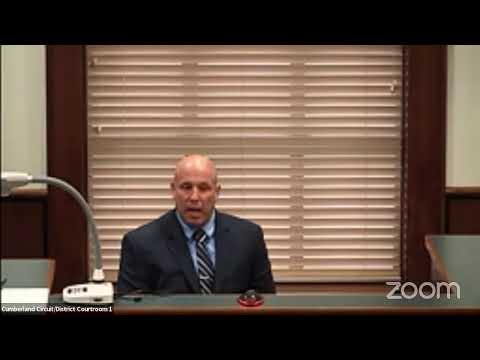
A Cumberland County judge presided over a docket session that included arraignments, plea colloquies, scheduling orders and a contested domestic-relations hearing.
The court opened with numerous arraignments and repeated the negotiation schedule for many cases, telling defendants to appear for "negotiation day at 9AM on December 13" and noting the next appearance would be Dec. 19 as conditions of bond and continued pretrial status. "Your negotiation day at 9AM here in Berks on December 13, and your next court appearance is on December 19," the judge advised several defendants during the session.
Several defendants acknowledged indictments returned by the grand jury. "The grand jury of Cumberland County has returned an indictment charging you with possession of [a] controlled substance," the judge told one defendant during arraignment, formally advising of the charges and constitutional rights. Where plea agreements were tendered, the court conducted plea colloquies to confirm that pleas were voluntary and that defendants understood the rights they were waiving.
The Commonwealth and defense counsel discussed diversion and sentencing terms on multiple matters. In open court the prosecutor outlined recommended packages — including supervised diversion, probation and monetary assessments — and the judge reserved or accepted pleas depending on whether intake procedures or pre-sentence investigations were complete. On one case the court discussed referral into the Cumberland County Specialty Court program and emphasized that enrollment and orientation would affect whether a plea would be accepted or withdrawn.
The record also showed administrative and procedural matters affecting access to hearings: the court and staff noted a need for interpreters for non‑English speakers, which affected scheduling and transportation orders. Counsel and the bench discussed how to secure qualified interpreters and whether cases in different counties could be consolidated for efficiency when interpreter availability was limited.
In a domestic-relations matter the judge heard testimony about time‑sharing disputes and therapy attendance. The court asked counsel to confer and signaled willingness to interview the minor in chambers to clarify compliance with visitation agreements; the judge ordered follow-up and additional case management steps to attempt a practical resolution.
Most matters were continued or set for further action rather than resolved outright: numerous cases were scheduled for negotiation on Dec. 13 and for additional proceedings on Dec. 19. The grand jury announced several indictments and the judge signed administrative paperwork authorizing summonses or warrants where appropriate. The court thanked the grand jurors and adjourned the docket for the next items.
Next steps: many defendants were directed to return on the set negotiation and hearing dates; some matters were continued to allow defendants and counsel to review pre-sentence investigation reports or to complete intake for diversion programs. The court emphasized that pleas would not be finalized if required paperwork or eligibility steps were incomplete.