
Westcom reports system upgrades, rising translation costs and explores AI for 911
Get AI-powered insights, summaries, and transcripts
Subscribe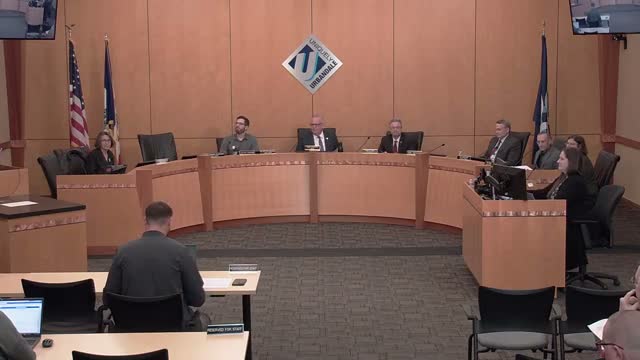
Summary
Westcom’s chief told the Urbandale City Council that 2024 brought major tech upgrades—text-to-911, CAD improvements and two data centers—while translation costs tripled; staff said AI-based translation and automation may reduce costs and speed alarm handling.
Chief (Westcom) presented Westcom’s 2024 annual report to the Urbandale City Council on March 18, saying the regional emergency dispatch center upgraded its 911 telephone and computer-aided dispatch systems, instituted text-to-911 and video capabilities, and moved police record management to virtual hosting across two data centers to improve redundancy.
The chief said Westcom handled roughly 59,009 911 calls in 2024, that about 86–87% were wireless calls, and that the center created about 72,000 CAD instances across the six cities it serves. “Ninety-two percent of all calls are handled and answered in less than 10 seconds,” the chief said, and noted Westcom meets or exceeds national standards for response time in most categories.
Officials told council members the cost of contracted language translation services has risen sharply: “When I arrived in March of ’23, it was $24,000 a year. This last year, it was $54,000,” the chief said, explaining the increase is driven by greater overall use rather than a higher per‑minute rate. He said staff are testing alternatives, including text- and voice-to-911 translations and emerging voice-to-voice AI tools, and plan to keep a commercial backup for some time.
The chief described technology pilots to automate routine alarm calls and to connect computer-aided dispatch systems across jurisdictions so units can be requested electronically; in preliminary tests he said automation could reduce alarm-call processing from 2–3 minutes to about 20 seconds. He also highlighted training and staffing metrics and noted plans for a “Westcom reimagine” campaign ahead of the center’s 25th anniversary.
Council members asked whether AI would replace human translators or act as a support tool; the chief said pilots treat AI as an augmenting technology and that commercial language-line services would remain as a backup while staff evaluate performance and costs.
The presentation closed with an invitation for council members to tour Westcom’s facilities and with a general council recognition of Westcom’s intergovernmental collaboration and cost savings over time.