Get Full Government Meeting Transcripts, Videos, & Alerts Forever!
Get email alerts on the Legal Litigation topic
No spam. Unsubscribe anytime.
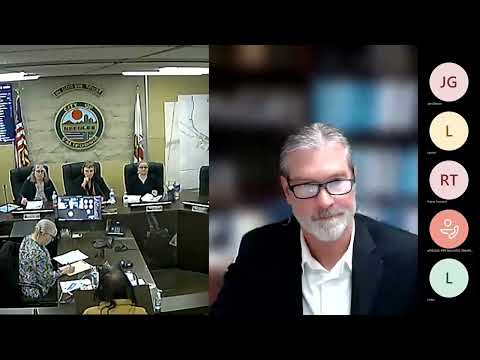
Needles City Council votes to defend federal lawsuit after closed-session discussion
Summary
After meeting in closed session over Raji Kolachana et al. v. City of Needles, the council voted to defend the lawsuit; the city attorney reported the motion and recorded votes by each council member.
The Needles City Council reported that it met in closed session to confer with legal counsel about existing litigation and decided to defend the case Raji Kolachana et al. v. City of Needles (U.S. District Court, EDCV23-237). The action followed a conference permitted under Government Code section 54956.9(d)(1).
City Attorney reported that Council Member Campbell moved to defend the action, Council Member Pogue seconded, and the council’s vote was recorded in open session with Council Members Merritt, Pogue, Longbrake, Bell and Campbell voting in favor. The report noted the action was 'reportable' under the Brown Act but did not disclose privileged closed-session deliberations.
Why it matters: The council’s decision commits the city to participate in litigation before the federal court; that engagement can affect legal costs and the timing of related city business. The motion to defend was the formal disposition of the item raised under the cited Government Code section.
What the council said: The city attorney stated, 'There was a motion to defend the case and that motion was made by Council Member Campbell and a second by Council Member Pogue' and then read the roll-call votes and concluded the report.
Next steps: The city attorney will proceed with the defense as authorized. No further details about settlement authority, legal strategy, or potential fiscal exposure were disclosed in the public report.