Get Full Government Meeting Transcripts, Videos, & Alerts Forever!
Get email alerts on the Emergency Medical Services topic
No spam. Unsubscribe anytime.
EMCC warns of persistent EMS shortfalls; recommends recruitment, training, radios and mutual aid
Summary
The Emergency Medical Care Committee presented a countywide needs assessment calling for immediate and sustained action: EMT recruitment and retention, standardized training and credential tracking, improved radio interoperability/dispatch (EMD), mutual-aid agreements and investments in station resilience and quick‑response resources. The board asked staff to return with costed, prioritized options.
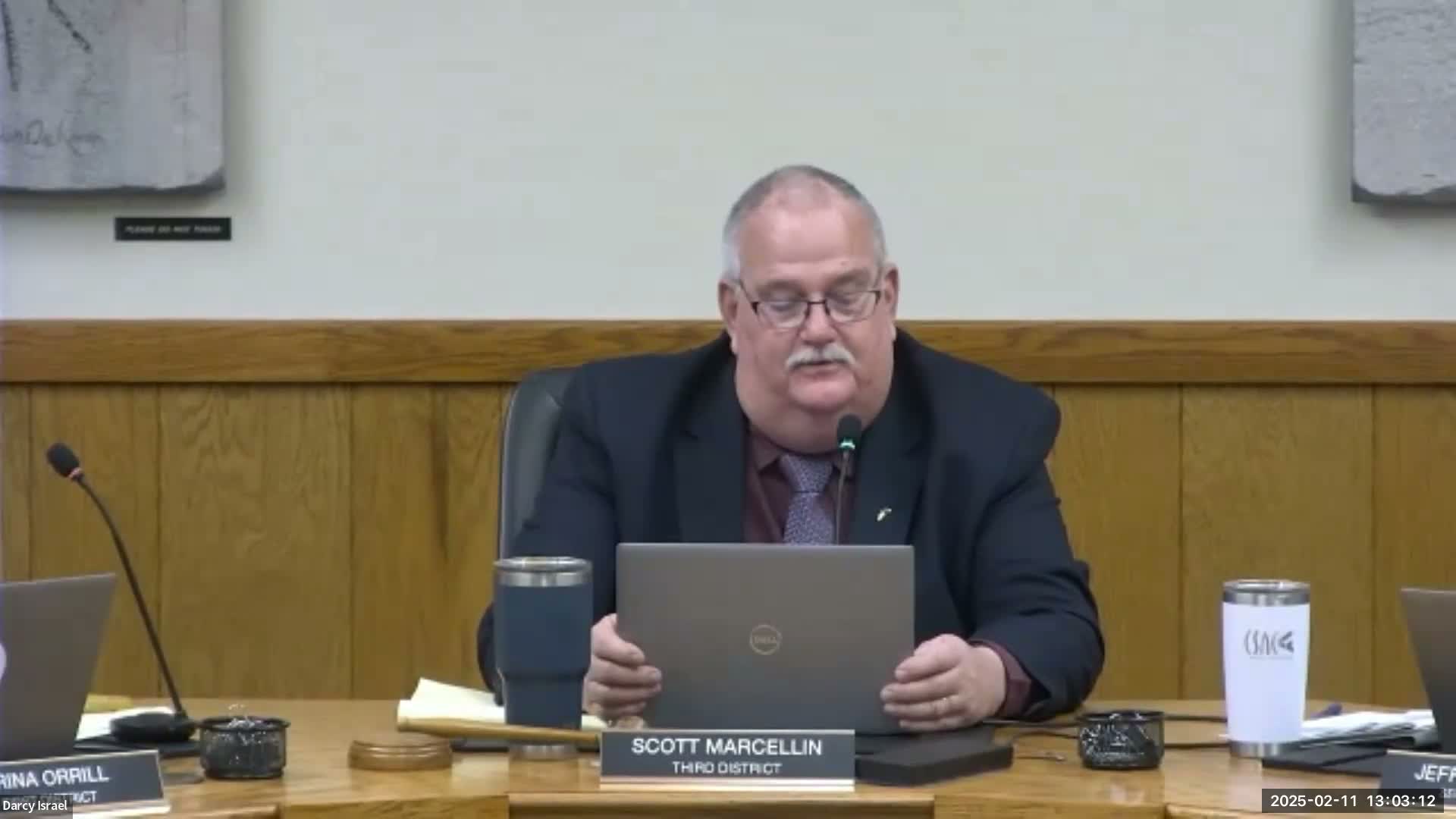
The Emergency Medical Care Committee (EMCC) told the Board of Supervisors on Feb. 11 that Inyo County’s emergency medical services face chronic staffing and infrastructure shortfalls that require coordinated county and local action.
Anna Scott (Health & Human Services) and EMCC Chair Pete Schleaker opened a workshop summarizing months of subcommittee work with local chiefs. Speakers from Global Medical Response and local volunteer chiefs described three immediate priorities: expand EMT recruitment and retention, centralize credential tracking and clinical quality programs, and upgrade communications and dispatch. "Retention equals experience," said Mike Patterson, emphasizing that stable staffing directly affects patient care and local volunteer capacity.
Presenters recommended near-term, scalable investments: county‑funded virtual credentialing and training platforms to reduce administrative burdens on volunteer chiefs (examples cited in the presentation included Ninth Brain and VolunteerX); centralized scheduling and rev‑cycle/billing support to improve reimbursement; and improved mutual‑aid agreements.
The EMCC urged work on radio interoperability and emergency medical dispatch (EMD) so dispatchers can triage and tier responses appropriately across the county’s long distances. Lisa Davis related deployment experience from North Carolina and said generators and a water backup plan for fire stations are practical 'low‑hanging fruit.' The committee also proposed a staffed quick‑response vehicle in the southern Owens Valley to shorten response times in low‑coverage areas and strengthen mentorship for newly certified EMTs.
Supervisors thanked presenters, asked for clearer cost estimates and requested staff‑led workshops to translate the needs assessment into a prioritized, multiyear plan. The board directed staff and EMCC to form subcommittees for more detailed work and to return with costed options and recommended next steps.