Lifetime Citizen Portal Access — AI Briefings, Alerts & Unlimited Follows
Dean Wilson urges Assumption Parish to back Chafalaya Basin master-plan before CPRA deadline
Loading...
Summary
Dean Wilson told the Assumption Parish Police Jury the Chafalaya Basin has lost flow capacity through wetland infill and urged a coordinated parish submission to the Coastal Protection and Restoration Authority (CPRA) before the February deadline. Parish staff offered to help bring proposals to the CPRA steering committee.
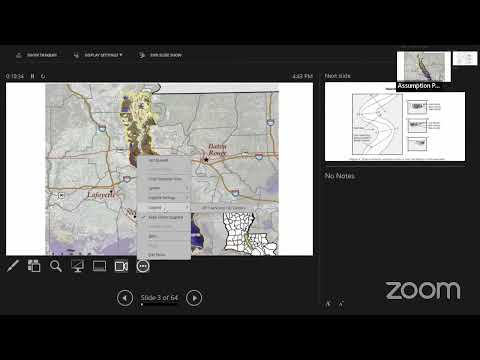
Dean Wilson, speaking during the public-comment portion of the meeting, urged the parish to prioritize preserving and restoring flow capacity in the Chafalaya Basin and to coordinate submissions to the Coastal Protection and Restoration Authority. "We have a master plan," Wilson said, adding that the parish should submit proposals by February to influence how future projects are developed.
Wilson described a range of measures he said could help maintain basin capacity and reduce flooding: connecting levees with gated or lock structures to allow seasonal flow, installing siphons where gravity flow will work, and using pumps when basin conditions prevent siphoning. He also outlined a longer-term sediment-management idea: a pipeline to move dredged sediment to lower-lying areas and restore marshes.
Wilson warned that repeated infill and unregulated projects have reduced the basin's storage and drainage capacity. He said some Corps of Engineers projects and private works have accelerated accretion and that, in his view, enforcement and coordinated planning are necessary to protect communities. "The basin is designed to fill," he said, pointing to photographs—some of which he described as showing four-foot tree stumps now visible in mud where wetlands once stood.
A parish representative responded that the parish already documents pumping stations in its drainage master plan and that the parish has a seat on the CPRA steering committee. That official offered to meet with Wilson and bring parish proposals to CPRA on the parish's behalf, saying, "anything that the parish wants to bring there, I can bring that to CPRA." Wilson suggested combining parish submissions to strengthen the parish voice.
No formal action was taken at the meeting; Wilson left contact information and the jury recorded the presentation as part of the drainage committee's business. Parish staff noted technical hurdles in the CPRA online submission process and said assembling the GIS data needed for multiple cut-and-trap submissions could be time-consuming, reinforcing the need to coordinate work soon.
The next procedural step, according to staff on the record, is follow-up meetings between Wilson, parish engineers and the parish representative who offered to raise the proposals with CPRA.