Get Full Government Meeting Transcripts, Videos, & Alerts Forever!
Get email alerts on the Nursing Facility Funding topic
No spam. Unsubscribe anytime.
Nursing-home operators cite closures and ask for 3% Medicaid rate increases in LB 188
Summary
LB 188 requests a 3% Medicaid nursing-facility rate increase in each of two fiscal years; rural nursing-home operators and associations testified that closures and staffing costs threaten local care availability and urged funding to prevent 'care deserts.'
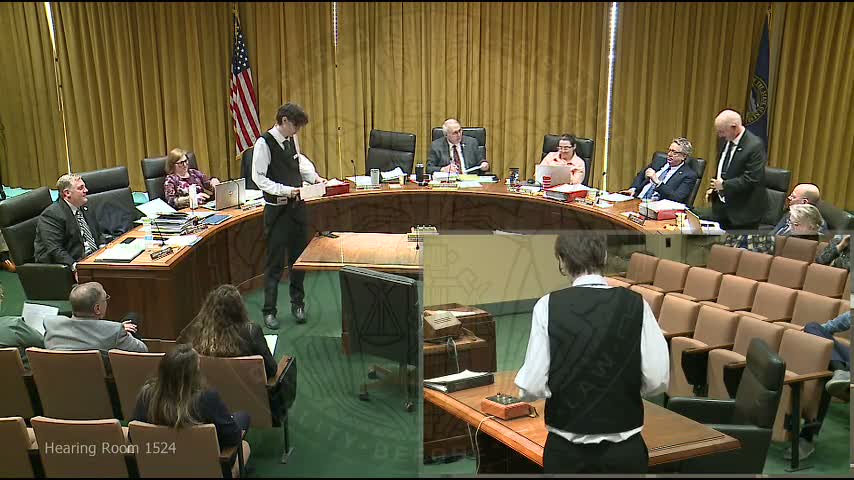
Nursing‑home operators, regional managers and provider associations pressed the Appropriations Committee to approve LB 188, which would appropriate a 3% Medicaid nursing‑facility increase for each of two fiscal years. Witnesses said ongoing inflation, staffing costs, increased minimum wages and rising insurance premiums have produced operating shortfalls and prompted recent facility closures that create local care deserts.
Senator Robert Dover introduced the bill, citing a multi‑million dollar request spread across general and federal funds to raise rates in FY25‑26 and FY26‑27 (SEG 3140–3153). Administrators gave facility‑level examples: Jay Colburn (vice president, long‑term care services) said several closures have already occurred and that rural facilities face margin pressure from rising wages, agency staffing costs, and supply inflation (SEG 3188–3260). Kate Reiners (Elwood Care Center) described a shortfall where Medicaid reimbursed roughly $241 per day less than facility cost and said private-pay residents have been charged higher rates to cover the gap. She warned that persistent shortfalls will lead to more closures and rural economic harm (SEG 3368–3429).
Provider associations noted that Nebraska’s nursing‑home landscape is unique — a high share of nonprofit and governmental homes — and that a provider assessment passed earlier would bring additional federal match dollars but had not yet resolved shortfalls. Associations asked for a 3% increase as a partial step and urged long-term reconciliation of rates to cost. Committee members asked about closures’ timing and the preliminary impact of the provider assessment; witnesses acknowledged ongoing uncertainty and urged prompt action to maintain rural capacity.
What happens next: The hearing concluded with proponents asking the committee to consider the 3% increases as a near‑term intervention and to continue work on rate reconciliation; no opponents testified in the hearing room.