Get Full Government Meeting Transcripts, Videos, & Alerts Forever!
Get email alerts on the Assisted Living Rates topic
No spam. Unsubscribe anytime.
Providers press for higher Medicaid assisted‑living waiver rates in LB 57 to preserve rural beds
Summary
LB 57 would align assisted‑living Medicaid waiver rates for rural and urban facilities and increase rates to account for inflation (proposed $88.24/day FY25‑26). Providers said current rates do not cover costs, causing closures and access problems, particularly in rural Nebraska.
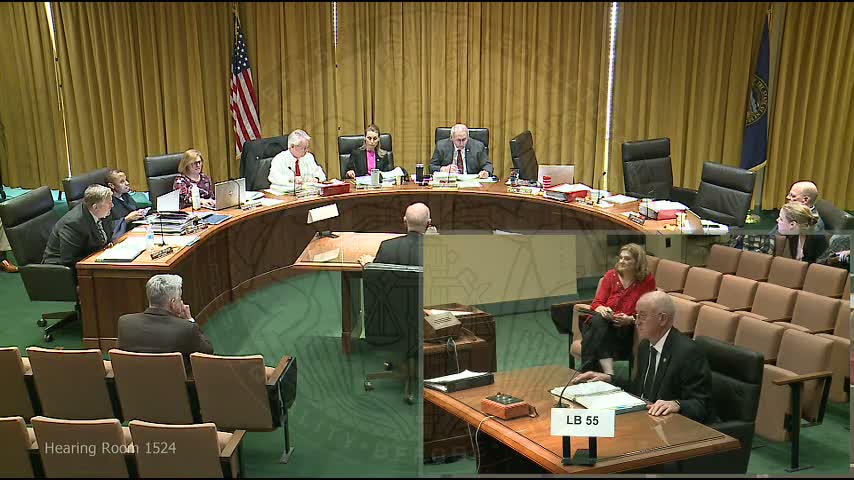
Assisted‑living operators, provider associations and local facility administrators told the Appropriations Committee that current Medicaid waiver reimbursement rates for assisted living underpay actual costs and threaten rural access to non‑nursing residential care. LB 57, introduced by Senator Myron Dorn, would apply the Department of Health and Human Services’ rate study recommendations, raise rural and urban rates toward parity, and include inflation adjustments.
Dorn summarized the 2021 DHHS rate study that found no cost difference between rural and urban facilities and proposed raising rates to $88.24 per day (FY25‑26) and $91.78 (FY26‑27) to update 2021 cost data for inflation (SEG 2285–2324). Provider witnesses described facility-level shortfalls and closures: Marv Fritz said assisted‑living reimbursement has lagged since 2011 and the gap has widened, making it hard for smaller rural providers to compete for staff; Eldonnah Rayburn described a Lexington facility with about 80% Medicaid waiver occupancy; Parkview Lodge’s administrator described long travel distances for displaced residents if local capacity closes (SEG 2503–3060).
LeadingAge Nebraska and the Nebraska Healthcare Association emphasized demographic trends (growing elderly populations), facility closures since 2017, and the need to preserve multiple levels of care outside nursing homes. Witnesses argued that reasonable increases tied to cost studies would prevent costlier nursing home placements and protect rural economies.
Committee members asked about the rate study methodology and the practical effects of closures on families and travel distances. Witnesses said some closures force residents to move hundreds of miles for care. The committee recorded 55 proponents and no opponents in the hearing record; no in‑room opponents testified. LB 57 remains in committee for further fiscal review and scheduling.
What happens next: Appropriations staff will consider fiscal impacts; the bill is pending committee action.