Get Full Government Meeting Transcripts, Videos, & Alerts Forever!
Get email alerts on the Alcohol Regulation topic
No spam. Unsubscribe anytime.
Crockett council aligns local alcohol rules with state TABC, allows extended hours for hotels and private clubs
Summary
The council adopted two ordinances (13-1 and 13-2) to clarify mixed-beverage rules for hotels and to permit private clubs to extend service until 2 a.m., aligning local code with Texas Alcoholic Beverage Commission regulations; the police chief discussed enforcement and late-night concerns.
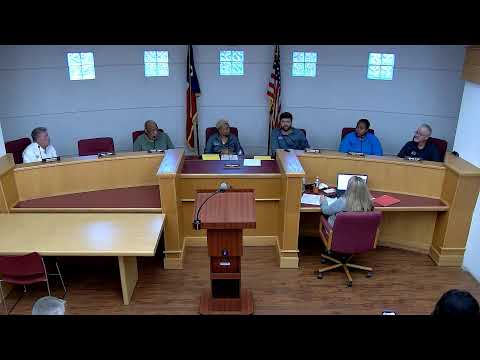
Crockett’s City Council on Aug. 21 adopted two ordinances to update local licensing and business regulations so they align with state statutory and Texas Alcoholic Beverage Commission (TABC) rules.
Ordinance 13-1 updates definitions and allows hotels, bed-and-breakfasts and similar lodging to provide mixed-beverage service where state permits apply. Staff noted the city does not license mixed‑beverage permits — that authority and auditing remain with the state — but the ordinance brings local code into conformity with TABC requirements.
Ordinance 13-2 adds a section permitting private clubs with appropriate registration to extend on-premises alcohol service hours up to 2:00 a.m. Police and council discussed the public‑safety tradeoffs of later hours; the police chief said later hours can increase intoxication-related incidents but that state-level penalties and local enforcement provisions are available to encourage compliance by business operators.
Council approved both ordinances in open session. Staff said violations can be handled locally and administratively by the state when appropriate; the ordinances specify reporting requirements for incidents at licensed premises.
The changes do not alter state licensing requirements; businesses must secure required TABC permits and remain subject to state audits and penalties.