Get Full Government Meeting Transcripts, Videos, & Alerts Forever!
Get email alerts on the Budget topic
No spam. Unsubscribe anytime.
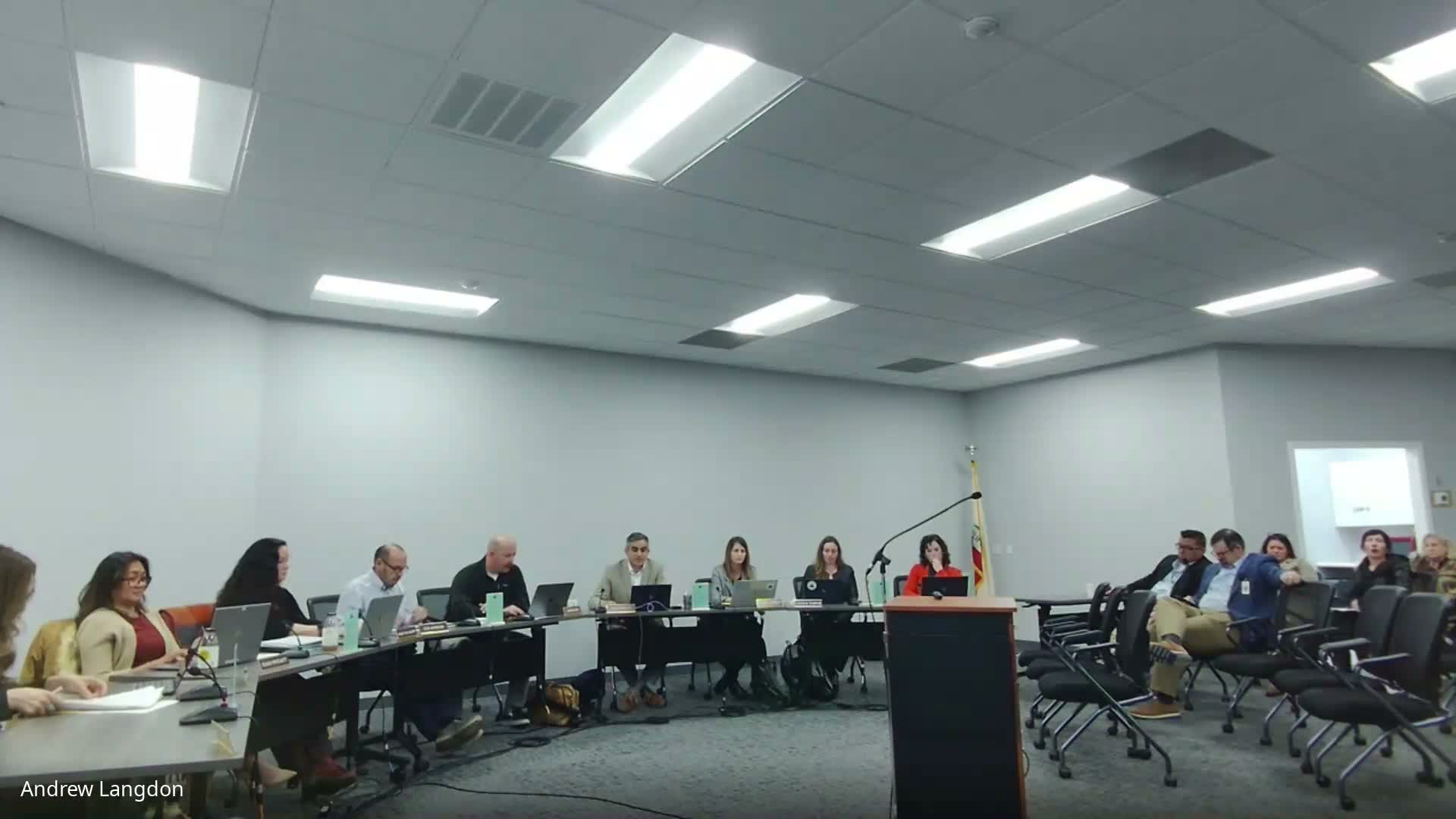
Nevada Joint Union board hears draft plan to address ~$1.4M structural deficit, directs staff to refine 3‑year option
Summary
District staff presented a draft fiscal stabilization plan estimating a $1.4 million structural shortfall and outlined potential staffing, facilities and transportation savings; trustees directed staff to return in March with refined options and asked existing budget and LCAP committees to provide community input.
The Nevada Joint Union High School District board on Feb. 12 reviewed a draft fiscal stabilization plan that estimates a current structural deficit of about $1.4 million and outlined measures to reduce the gap over coming years.
District presenters told the board that the district’s structural deficit had been modeled at $2 million in earlier work, reflected as $1.7 million in the first interim report, and was revised to roughly $1.4 million after more recent enrollment data and other adjustments. Staff emphasized the district’s sustained reliance on one‑time pandemic and grant funds and said leaders must decide how quickly to replace those temporary revenues with structural savings.
Why it matters: the district’s unrestricted reserve is currently near its board policy target for this year but, under present projections, would fall below the state minimum in subsequent years without changes. Board members said they want a plan that protects instruction and the district’s CTE and wellness programs while also restoring longer‑term fiscal stability.
What staff proposed: the draft plan presented a menu of levers to reduce ongoing costs or increase revenue. Key items included: potential staffing realignments and reductions (certificated teachers on special assignment and librarian positions among candidates for change); facilities consolidations and removal of portable buildings to lower utilities and maintenance costs; an investigation into operating transportation in‑house rather than through the current JPA/contractor; and modest ongoing revenue gains from newly installed solar projects (presenters estimated roughly $157,000 in year‑one energy savings plus a possible one‑time solar rebate near $300,000). Staff stressed that solar and other grant funds are one‑time and not a substitute for structural revenue.
Board discussion and direction: trustees debated speed and scope. Some urged aggressive cuts and saving one‑time funds to build reserves; others favored a gradual three‑year ‘‘weaning’’ off one‑time dollars to limit immediate impacts on staff and programs. Several trustees asked that the existing budget committee and LCAP membership be convened (or expanded) to solicit broader staff, student and parent input before preliminary staffing actions in March. The board coalesced around direction to return in March with a refined package that would aim at a meaningful partial reduction of the district’s structural deficit (staff had suggested a 50% target; trustees asked staff to model a 33%/three‑year pathway and report back with options encumbering no irreversible long‑term liabilities).
What was not decided: no layoffs were issued during the meeting, and presenters explicitly told the board and public that no final personnel decisions were scheduled that night. Any personnel actions would require additional notice and formal board action in upcoming meetings.
Context and next steps: staff said more precise numbers will be available in the second interim report (covering actuals through Jan. 31) and after the governor’s May revise. Trustees asked for a public process that includes budget and LCAP committee input and for staff to return with a short‑list of specific recommendations in March for board consideration.
Representative district comment: in public remarks preceding the discussion, classified staff union steward Brandy Sanders warned the board that cutting critical classified positions could ‘‘result in significant financial and operational consequence that may far outweigh the perceived savings.’’ District leaders responded in the meeting that they were seeking to balance fiscal solvency with program continuity.
The board scheduled further budget committee and LCAP engagement and asked staff to come back to the board with a refined fiscal stabilization plan in March.