Get Full Government Meeting Transcripts, Videos, & Alerts Forever!
Get email alerts on the Tourism Improvement District topic
No spam. Unsubscribe anytime.
Council continues hearing on proposed 10‑year Newport Tourism Improvement District
Summary
After a Discover Newport presentation, the City Council voted to continue the proposed 10‑year Tourism Improvement District to allow an ethics review and additional data on fees, city liability and comparative municipal fees.
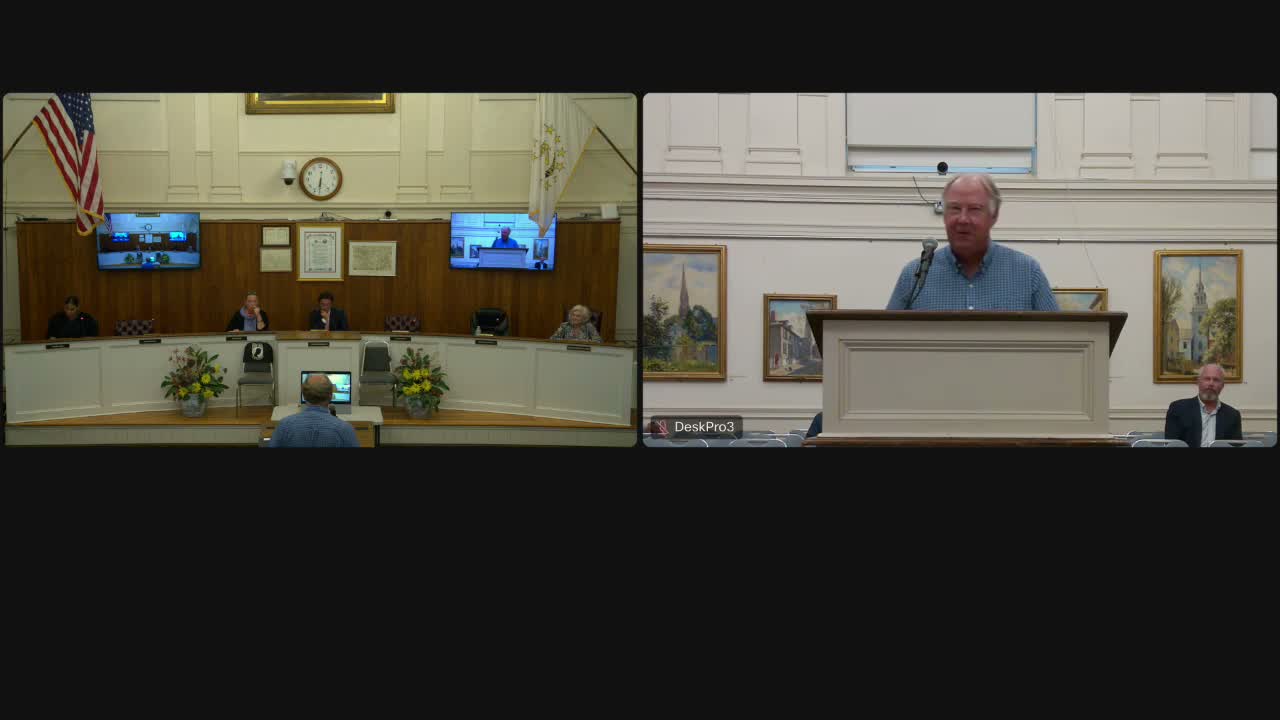
Discover Newport presented a proposal to form a 10‑year Newport Tourism Improvement District that would collect a voluntary assessment from lodging businesses to fund marketing and conference sales. "This was a platform that allows us to collect an assessment, not a tax, but a voluntary assessment from our hotel partners," Mr. Smith, a Discover Newport representative, told the City Council.
Councilors pressed the presenter on the district's projected annual assessment (about $494,950), how much would go to sales and marketing versus contingency reserves, and which lodging businesses would be included. Mr. Smith said the advisory committee formed from the petitioning hotels would work with the Discover Newport board to approve a sales and marketing plan. He described contingency reserves as an operatingBackstop for events such as hurricanes, floods or other events that could halt room revenue.
Several councilors questioned the city's role as the collections vehicle and possible liability. The city solicitor explained the enabling state law allows the city to collect and enforce assessments but does not give the city day‑to‑day oversight of the district's marketing operations. The solicitor said the city would be the entity that collects and, if necessary, enforces unpaid amounts under the enabling Act.
Councilors also raised potential conflict‑of‑interest and ethics issues because some city officials had attended events where travel or lodging was provided. One councilor asked for an ethics opinion before a vote. In response, the council voted to continue the item to a future meeting so staff can provide comparative fee data (the presenter noted 3% is among the higher municipal processing fees nationally) and so the solicitor can provide guidance on ethics and liability questions.
What happens next: the council requested written data comparing municipal processing fees and asked for an ethics opinion on whether any council member must recuse from a future vote. The public hearing will resume when the council has the requested information.
Sources: Council public hearing record and council discussion during the July 24 meeting.