Get Full Government Meeting Transcripts, Videos, & Alerts Forever!
Get email alerts on the Budget topic
No spam. Unsubscribe anytime.
Summit County Health Department presents $10.86 million budget; board moves to approve
Summary
Department staff presented the proposed $10,856,086 operating budget, explained the development process and revenue mix (including a $1.2 million mental‑health contract), answered questions about grant estimates and program groupings, and the board moved to approve the budget by voice vote.
At a recent Summit County Health Department board meeting, department staff outlined their recommended 2025 operating budget of $10,856,086 and the process used to develop it, then the board moved to approve the proposal by voice vote.
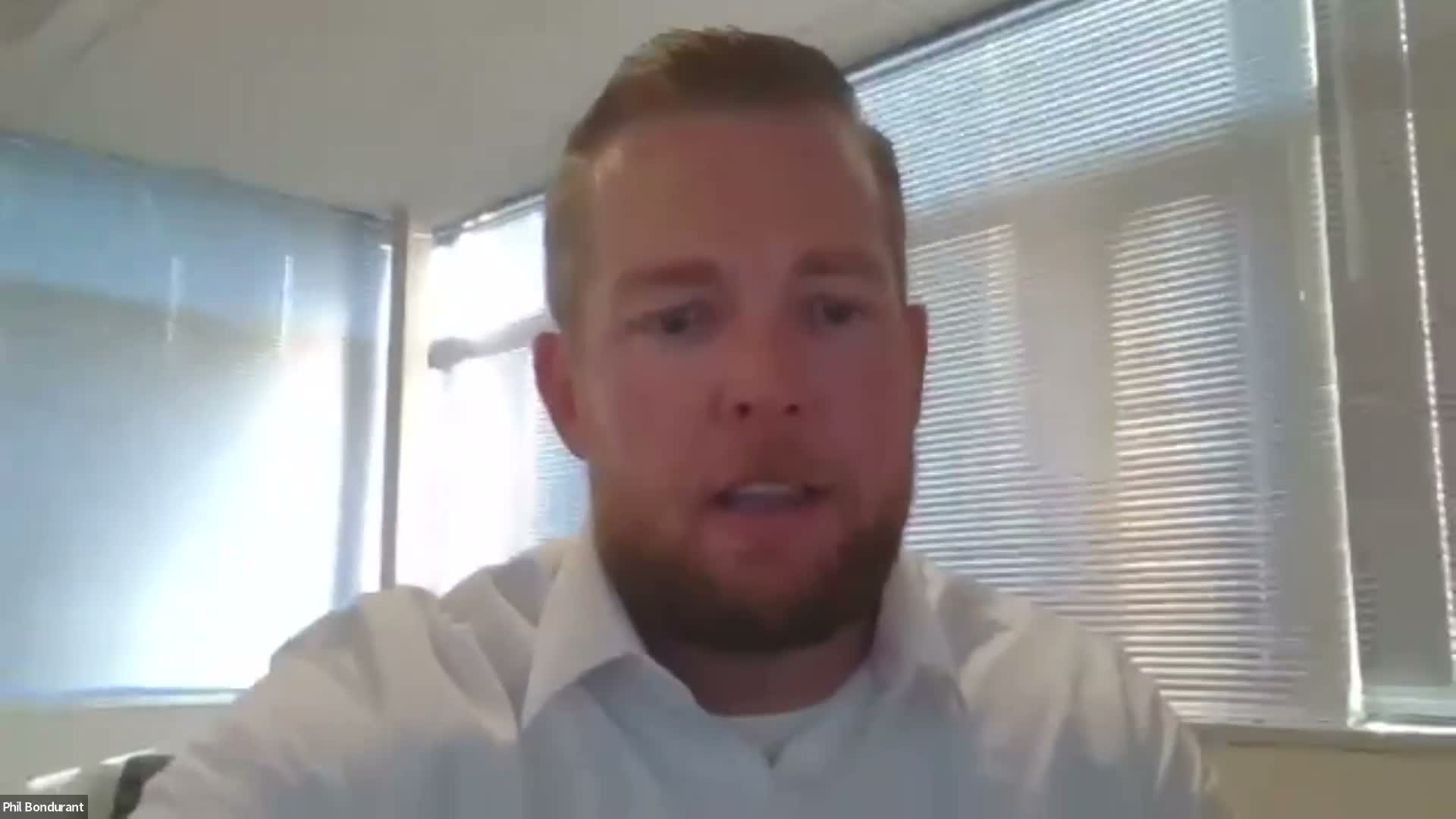
The department’s lead presenter, Phil (Speaker 2), said the budget is the product of a collaborative process among the department’s nine divisions and deputy director Kendra. “This is a collaborative effort among our 9 divisions,” Phil said, thanking division leads and staff who prepared the recommendation. Jen (Speaker 3), the department’s business manager and representative to the county budget committee, described the committee review and said the committee spent 71 hours reviewing department and county budgets this cycle: “The budget committee met for 71 hours in this review process.”
Why it matters: the proposed budget includes a $1,200,000 addition intended for expanded mental‑health services under a new University of Utah contract, a change Phil linked to a roughly 2.69% departmental increase. Staff and the board discussed the department’s ongoing goal to fund about 60% of traditional public‑health programs through grants and fees and 40% from the general fund, while noting some council‑directed programs (mental health, substance‑abuse services, sustainability) are funded from the general fund and excluded from that 60/40 calculation.
During Q&A, board members asked about revenue composition and line‑item presentation. Phil and Jen said the property‑tax portion shown in the revenue page represents the department’s share of the county general fund and noted internal recordkeeping separates general health from nursing, WIC and health‑education line items even when the council sees them combined. Phil offered an estimate that the property‑tax allocation is a relatively small share of total county taxes and also said the department’s general‑fund portion represents about 42% of the department’s overall budget; the transcript records both comments but does not reconcile them to a single percentage figure. Jen described the federal and state grants line as an estimate that includes a small buffer for recurring awards and said large, new grants would require CFO and county discussion before a formal budget adjustment.
Following discussion, Speaker 5 moved to approve the health department’s recommended budget; Speaker 4 seconded. The board approved the motion by voice vote; the transcript records at least one board member saying “Aye,” and does not include a roll‑call tally. Phil thanked staff for their work and singled out Pence for preparing and posting meeting materials in compliance with public‑meeting rules. The board adjourned; members exchanged holiday greetings and Phil noted the board will reconvene shortly after the new year on Jan. 6.
What’s next: Phil said staff will calculate the current 60/40 split for traditional public‑health programs and send that calculation to the board by email after the meeting. The transcript does not record a formal implementation plan or department‑level appropriation schedule beyond the standard Jan. 1 start of the new budget year.