Get Full Government Meeting Transcripts, Videos, & Alerts Forever!
Get email alerts on the Pbis topic
No spam. Unsubscribe anytime.
Plano ISD updates board on PBIS rollout across 72 campuses
Summary
District staff reported PBIS implementation across four cohorts and 69 campuses, described four implementation modules and audits/site visits, and said measurement and training will continue through cohort audits and site supports.
Plano ISD staff updated the board on Feb. 18 about the districtwide implementation of Positive Behavioral Interventions and Supports (PBIS), describing the multi‑year rollout, training components and audit schedule for campuses.
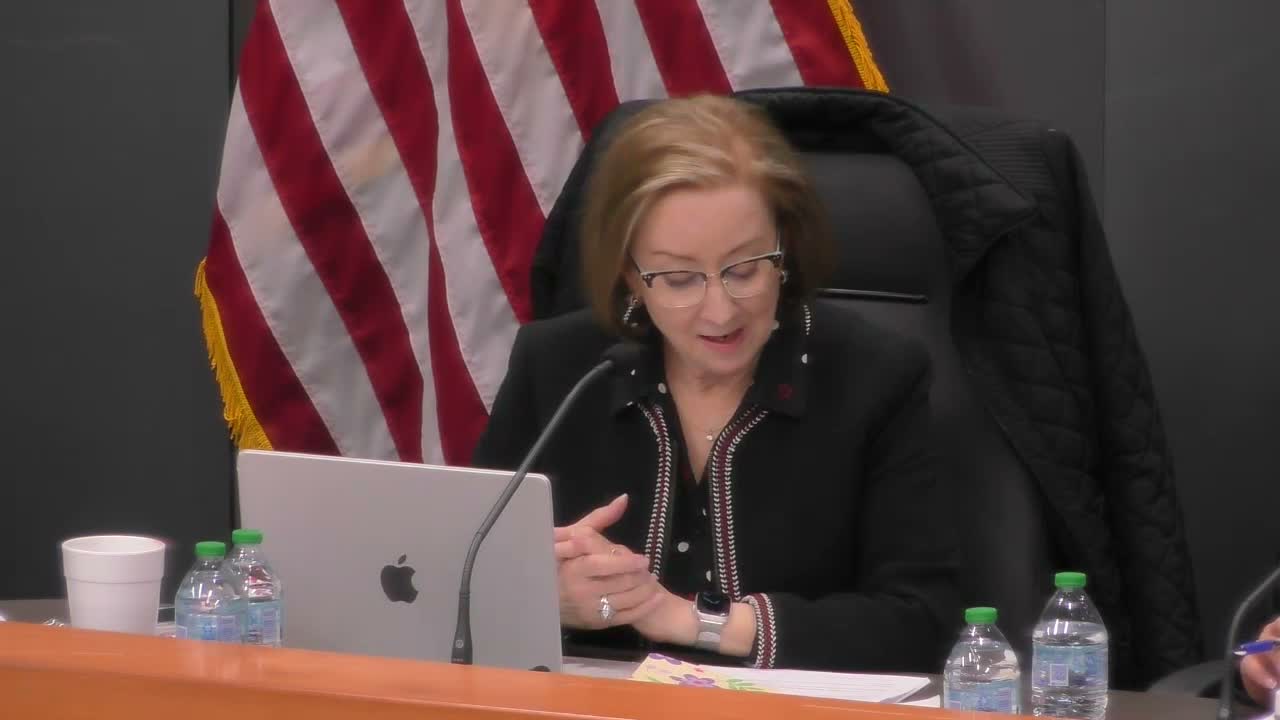
Janice Andahl, director of student management, presented the PBIS framework and explained that effective behavior change relies on changing adult practices. She outlined four implementation modules — team processes (A), common areas (B), campus‑level guidelines (C) and targeted supports (D) — and said the program focuses on building adult teams, teaching expectations and tracking observational and perceptual data across common areas.
Andahl said the district has four cohorts (19 elementary campuses in cohort 1, middle schools grouped in cohort 2, grades 9–12 in cohort 3, and a year‑1 cohort 4 with 26 campuses). She reported 69 of 72 campuses are currently engaged with PBIS and described tier‑1 STOIC classroom management trainings, site visits and the district’s foundations hub with examples and training resources for campuses.
The presentation also covered audits and metrics: cohort 1 sites will be re‑audited this year, and staff will perform approximately 34 or more audits across cohorts to measure implementation fidelity. Andahl said implementation takes three full years and that districts may see short‑term fluctuations in discipline data as staff increase supervision and enforcement during rollout.
Trustees asked about teacher resistance, practical incentives for students, and measurement of success. Andahl described common resistance points and noted that staff training and coaching produce “aha” moments; she said many classroom management issues remain teacher‑managed and that the audits and other fidelity measures will be part of the district's evaluation of success.
The board thanked staff for the update and invited further engagement with parent and volunteer groups to extend consistent expectations across campuses.