Round Rock ISD trustees debate conference travel limits, accountability and per‑trustee allotments amid budget pressures
Loading...
Summary
Trustees reviewed proposed edits to board operating procedures and held an extensive discussion about limiting trustee conference travel this year, setting per‑trustee spending allotments, requiring full‑board approval for out‑of‑state travel and adding session reporting tied to student outcome goals.
Trustees reviewed proposed edits to the board operating procedures and spent substantial time discussing conference travel and training policies in light of district budget constraints.
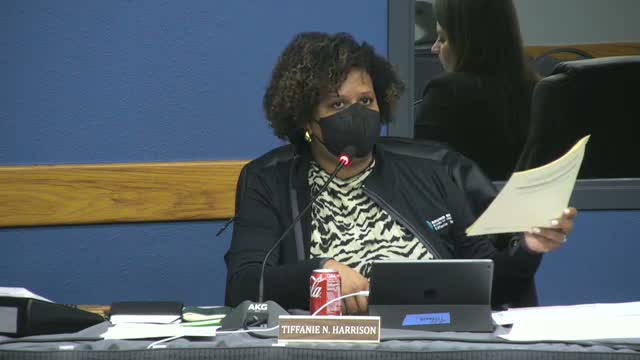
Trustee Weir proposed that the board limit trustee conference attendance for the balance of the year as a show of solidarity with departments being asked to cut budgets. "I would like to propose that we all attend the TASB/TASA conference... but after that, I would like to propose that we do not attend any other conferences until TASB as a show of solidarity with all other departments in Round Rock ISD," she said, arguing the move could reduce the board’s conference line by roughly $20,000.
Trustees discussed several possible guardrails: (1) an annual per‑trustee allotment for in‑state travel set by the board president or officers, (2) full board approval for out‑of‑state travel with at least one board officer included on any out‑of‑state delegation, (3) an exemption when a trustee is presenting at a conference (presenting trustees would not be charged against their allotment), and (4) a requirement to report back to the full board on sessions attended and how the content ties to student outcome or strategic‑plan goals.
Board consensus and next steps: trustees asked legal and staff to draft proposed language codifying per‑trustee allotments, the approval path for out‑of‑state travel, a presenting exemption, and an accountability reporting mechanism. The board scheduled a dedicated March meeting item to set this year’s conference decisions; no binding policy change was adopted on the spot.
Why it matters: the discussion ties governance practice to stewardship of district funds during a period when staff and departments face reductions; trustees emphasized transparency, accountability and tying professional development to student outcomes.