Get Full Government Meeting Transcripts, Videos, & Alerts Forever!
Get email alerts on the Zoning Social Service Overlay topic
No spam. Unsubscribe anytime.
Ames council approves first reading to allow one social‑service provider in single‑family conservation overlay
Summary
The city approved first reading of an ordinance to allow one social‑service provider by special‑use permit within specified blocks of the single‑family conservation overlay; residents testified at public comment urging clarity on which groups would qualify and how enforcement would work.
A majority of the Ames City Council voted Dec. 10 to approve the first reading of an ordinance amending section 29.1101(c) of the Ames Municipal Code to allow social‑service providers by special‑use permit on specific properties abutting commercial zoning along Seventh Street and Clark.
Staff planner Kelly told council the draft ordinance would permit only one additional social‑service provider within the designated overlay and would not reserve that slot for any particular organization. "It does not guarantee Romero House will be approved," Kelly said, and added that the city would apply its regular code‑enforcement and special‑use permit review if a provider applied.
During a public comment period limited to the ordinance text, residents pressed for clearer rules about who could apply and how competing applications would be handled. David Carter and Kate Gregory said the language seemed open‑ended and asked how the city would enforce the overlay if multiple applicants sought the same limited slot. Kelly replied that enforcement and oversight would follow the same municipal code inspection and notice process used for other zoning matters and that conditions attached to a special‑use permit would carry appeal rights.
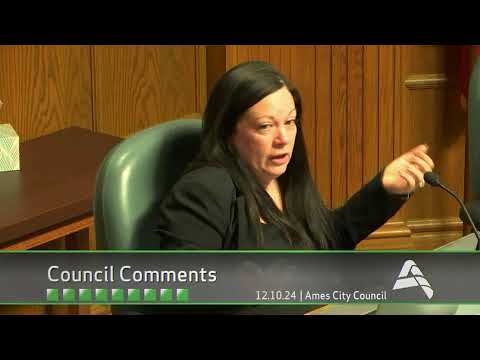
Council members also discussed whether the change would effectively guarantee a particular organization a slot; staff reiterated the ordinance do es not create a reserved slot and that any approval would depend on the permit review and conditions. After debate, council approved the measure on first reading by a 4‑2 vote. The ordinance will return for subsequent readings as required by the municipal code.
Next steps: staff will prepare materials for the second reading and, if approved, a third reading would be scheduled consistent with the council calendar.