Get Full Government Meeting Transcripts, Videos, & Alerts Forever!
Get email alerts on the Land Use Kenyatta topic
No spam. Unsubscribe anytime.
Woodside Council Approves Kenyatta Corners CUP with Enforcement, Screening and Trial Conditions
Summary
After hours of testimony both for and against, the Woodside Town Council approved a conditional use permit amendment for the Kenyatta Corners town‑center project that adds parking, replaces seat limits with patron limits, requires delivery hours and security measures, and establishes a six‑month trial review after construction.
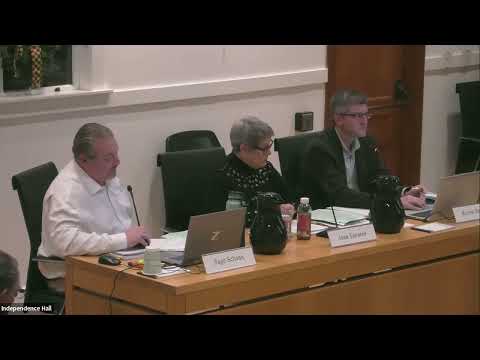
The Woodside Town Council on Dec. 10 approved a conditional use permit amendment for the Kenyatta Corners town‑center project, concluding a months‑long review that drew hundreds of resident comments and spirited public testimony.
Council members backed the project with new conditions intended to address longstanding enforcement and neighborhood concerns. The approved package converts earlier 'seat' limits to 'patron' limits tied to point‑of‑sale or reservation software, establishes restricted delivery hours, requires security cameras and barriers to prevent after‑hours access, and calls for fencing and landscaping to screen lights and headlights. The council also required that construction commence within one year or the restaurants must revert to their earlier (2016) patron limits; the CUP will be reviewed six months after construction is complete and subject to annual checks.
Mayor Domakowski noted the breadth of input the council had received and the volume of public comment: "We've also received 128 emails since that time. 117 have been for the project or 92%, just so everyone is aware," the mayor said during the meeting.
Planning staff had told the council they compared Woodside’s municipal parking ratios with nearby cities and found Woodside’s requirements are toward the higher end of the spectrum. Staff also reported seat counts taken before temporary parklets were removed: Bucks recorded 89 seats (staff said its permit allowed a much smaller number), and the Village Bakery counted about 200 seats (staff said the existing CUP allowed 70 daytime and 95 at night), evidence staff used to justify proposals tying parking to patron limits.
Residents and business owners were sharply divided in public comment. Opponents warned the project would erase open space and increase traffic and urged stronger enforcement of existing CUP provisions; one long‑time resident called the town’s enforcement record "a joke." Supporters — including restaurant employees and patrons — said outdoor dining has revived community life and urged the council to preserve it.
Applicant Dave Tanner, who identified himself as the applicant, told council the fire department sets legal occupancy limits and emphasized the project's financial constraints. "The fire department literally is in control of how many people can be inside that building at any time," Tanner said, urging the council to focus on feasible solutions rather than punitive additions.
The council’s conditions include: a requirement that the owner maintain security cameras focused on entry/exit points and provide footage to the town on complaint; installation and maintenance of landscaping and a four‑foot fence to screen the western edge of the lot (the council directed additional attention to plant selection and agreed the town would engage a consultant or committee to assure effective screening); two new 10‑foot downward‑facing light fixtures in the expanded parking area and measures to avoid off‑site glare; valet parking and parking management during the interim period prior to construction; and enforcement language that makes patron reporting and fines part of the CUP should verified violations occur.
Councilmembers repeatedly returned to enforcement. Several members urged a pragmatic compliance system based on software reports from restaurants rather than requiring staff to physically count chairs. "Patrons would seem to be the way to go and an easy way to do it," one councilmember said, citing reservation or point‑of‑sale records as verifiable evidence.
The motion to approve the CUP as modified passed on a roll call vote; councilmembers who spoke in favor emphasized they had negotiated changes to protect neighbors while allowing outdoor dining to continue under clearer, enforceable rules. The motion also included direction to staff to return in the first quarter with a review of municipal parking ratios.
The council separately introduced a rezoning ordinance (first reading) to change the zoning of the site’s APN to community commercial — a first‑reading step required for the project to proceed toward building permits.
Next steps: the developer must submit construction plans and easement documents; construction must begin within the council’s deadline to keep the temporary patron levels in effect. Council will receive compliance reports and revisit the CUP at the trial review date and annually afterward.