Get Full Government Meeting Transcripts, Videos, & Alerts Forever!
Get email alerts on the Photo Enforcement topic
No spam. Unsubscribe anytime.
Spotsylvania authorizes pursuit of school‑zone photo enforcement to curb speeding
Summary
The board adopted an ordinance to permit automated photo enforcement in school speed zones (civil penalties only, 11‑mph tolerance over posted limit, signage required). The ordinance authorizes the county to seek a vendor and enter a contract with monthly reporting and an appeal process.
Spotsylvania supervisors adopted an ordinance authorizing the county to pursue automated photo enforcement in school speed zones and to enter a contract for services. The law approved by the board applies to school zones only, requires advance signage (statutory 1,000‑foot notification) and sets a civil‑penalty framework: staff recommended a first offense of $50 and a subsequent offense of $100; cameras would only trigger for vehicles exceeding the posted limit by more than 10 miles an hour (staff proposed an 11‑mph trigger to provide a tolerance buffer).
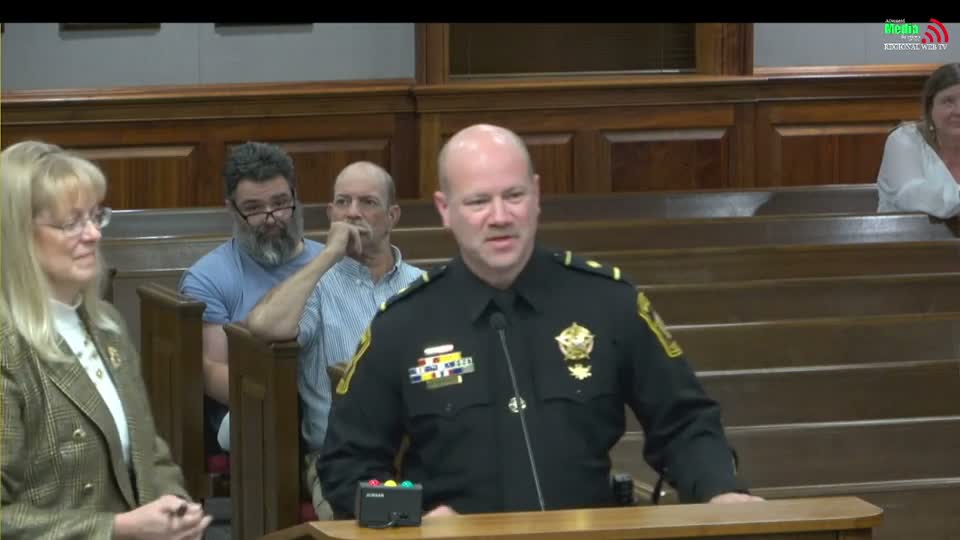
Police Major Myrick and staff emphasized the primary objective is safety and behavior change rather than revenue; the department cited evidence from other jurisdictions that enforcement and signage reduce speeds and citations sharply after activation. The contract model presented to the board (to be negotiated and returned to the board for approval) contemplates per‑citation fees for vendor services (public discussion referenced a vendor fee near $14 per citation in typical contract drafts) and a county share of the civil penalty. The vendor would process images and citation paperwork; the county would verify school‑session timing and sign off on citations prior to issuance and maintain the appeals process.
Board members clarified procedural safeguards: cameras would only be active when school is in session or signs are illuminated; staff will monitor monthly data and can cancel the contract if problems arise. The board adopted the enabling ordinance and will consider a contract with the vendor in a subsequent meeting.
Why it matters: Supervisors framed the measure as a traffic‑safety tool for school zones — not a criminal sanction — with an administrative appeal and no driver‑license points attached. Supporters argued the approach helps protect students and bus drivers in locations where patrol resources are limited.