Get Full Government Meeting Transcripts, Videos, & Alerts Forever!
Get email alerts on the Capital And Equipment topic
No spam. Unsubscribe anytime.
Wasatch County Fire District approves orders for new engine and ambulance, advances Hideout station design
Summary
The Wasatch County Fire District board authorized staff to begin procurement for a fire engine and an ambulance and approved moving forward with conceptual architectural drawings for a planned Hideout station, part of a 10-year capital facilities plan to address rapid call-volume growth.
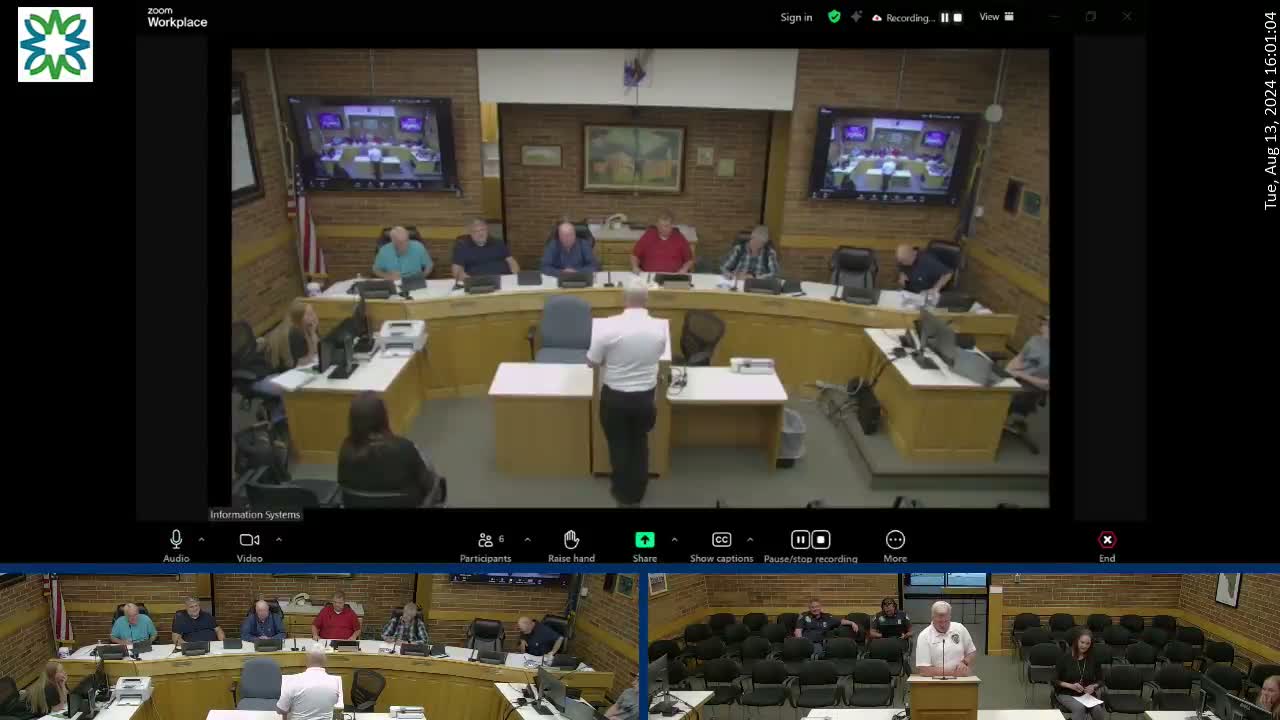
The Wasatch County Fire District board voted to authorize staff to place orders for a new fire engine and an ambulance and to proceed with conceptual architectural drawings for a planned Hideout station.
Board member Spencer moved to allow the chief to order the two vehicles and to proceed with Hideout design work; the motion was seconded and passed on a voice vote. The motion did not include a recorded roll-call tally in the meeting record.
Speaker 4, presenting the district's capital facilities plan, said the district has identified four new stations for the next 10 years to keep pace with population and call-volume growth, listing a permanent Hideout station, one near Highway 32 to serve Victory Ranch/Benloch, another on Fitzgerald Road to cover northern Heber, and a station near Lake Creek to serve Timber Lakes and nearby facilities. The plan calls for funding primarily through impact fees and the capital facilities fund, and staff said they aim to avoid asking voters for new bonds.
Staff warned the board about equipment lead times: engines can have delivery lead times of roughly 36—6 months and ladder trucks about 48 months; ambulances may take one to two years. Speaker 4 said that manufacturers generally require payment upon delivery or close to delivery and that some ambulance contracts can require deposits, though engine vendors in the district's arrangements typically bill at delivery.
The board discussed operating costs for new stations. Speaker 4 said long-term staffing and operating expenses could add roughly $1 million or more annually as the district expands coverage to fringe areas, and that current impact-fee studies include funding for three stations but would need updating to reflect current construction costs.
Next steps included directing staff to pursue build orders with vendors to secure slot positions and to have architects prepare civil and permitting drawings so the district can present access plans to the Utah Department of Transportation for the Hideout site.
The board also noted the district expects to fund conceptual design costs over multiple years rather than charge the full architect fee in a single budget year. The meeting record indicates the motion passed and staff will report back with contract details and updated budget implications.