
Frederick County leaders press for state fixes to update developer proffers and cover growth costs
Get AI-powered insights, summaries, and transcripts
Subscribe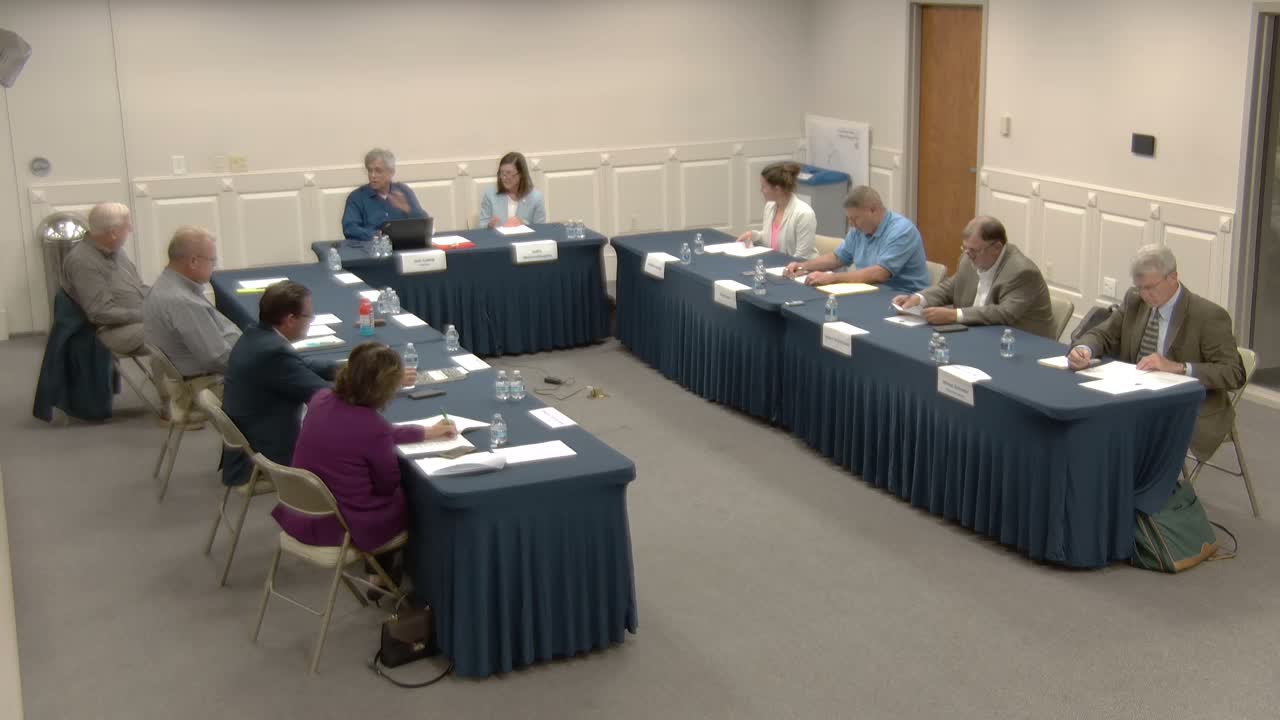
Summary
At a legislative forum Oct. 30, Frederick County supervisors and state lawmakers debated options to ensure developers pay capital costs of growth, including calculating proffers at certificate of occupancy or carving exemptions for fast‑growing counties. Legal limits on retroactivity and affordable‑housing tradeoffs were central concerns.
Frederick County supervisors and the county’s state legislators spent the bulk of a Oct. 30 legislative forum debating how to make developers pay more of the capital costs of rapid growth without undermining affordable housing.
Supervisor Blaine Dunn, who spoke at length about local growth pressures, said the county’s population jump has strained schools and roads and that updated impact fees are needed so existing residents do not subsidize new development. “In February, we had less than 59,000 people. Today, we’re close to 96,000,” Dunn said, adding that a county model showed some capital-cost components of impact fees are now far larger than the amounts proffered years ago.
The core policy idea discussed was to change when proffers or similar charges are calculated. Currently, development impact calculations are set at rezoning; a county presentation and several supervisors suggested legislation allowing certain capital contributions to be calculated when a certificate of occupancy is pulled so the county captures “today’s dollars” rather than amounts fixed at rezoning decades earlier. Supporters said that forward-looking calculation would reduce incentives for long‑term rezoning speculation and better match costs to when the infrastructure burden occurs.
State officials and county staff cautioned that proffers and rezoning entitlements are typically attached to land and that retroactive changes would be legally fraught. Multiple participants said it is unlikely a county could revise proffers already tied to earlier rezonings without legal challenge, but they identified three possible policy approaches: (1) seek a narrowly tailored state law or carve‑out for counties that meet objective growth thresholds; (2) allow future calculations to be made at occupancy (not retroactive to already‑entitled lots); or (3) use time‑limited site-plan approvals so long-delayed developments must re‑negotiate contributions if they do not commence during a set period.
Several legislators noted political constraints in the General Assembly, with members saying bills that give some localities extra authority would need precise statutory language to avoid broad statewide changes. Other supervisors warned that increasing fees can have trade-offs: higher upfront costs can make planned affordable units less viable, an argument delegates raised in the discussion.
The forum did not produce a formal vote or a specific bill to file. Participants asked staff to research legal options and to work with the Virginia Association of Counties and the General Assembly to draft proposals that balance county revenue needs with housing affordability and legal constraints.
The most immediate formal action recorded at the forum was a procedural vote allowing Supervisor Blaine Dunn to participate remotely; no changes to county code or proffer rules were finalized during the meeting.