Get Full Government Meeting Transcripts, Videos, & Alerts Forever!
Get email alerts on the Education Programs topic
No spam. Unsubscribe anytime.
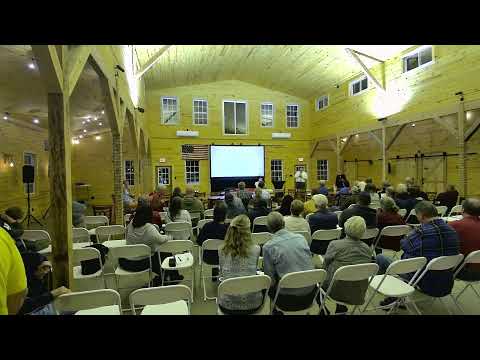
Superintendent outlines restored classes, attendance focus and efforts to boost on‑time graduation
Summary
Speaker 3, the superintendent, summarized program restorations (cosmetology), planned career classes (criminal justice), revived athletics and new screening for chronic absenteeism, and described ongoing work to raise on‑time graduation rates.
Speaker 3, the superintendent, opened with a brief personal background and a progress update on district programs, saying, "I've been in this role for 5 years." They framed the presentation as an overview of restored and new curriculum offerings and student supports.
The superintendent said cosmetology classes have been reinstated and described a planned criminal‑justice course for the spring that the district expects will give students a career pathway. "We were able to have cosmetology," Speaker 3 said, noting these courses offer skills students can use after graduation. They also emphasized that expanded course options aim to provide career and post‑secondary pathways.
On extracurriculars, Speaker 3 described renewed community engagement around high‑school football, saying recent games attracted roughly 400 people and included food vendors and strong local turnout. They framed athletics as part of broader efforts to reconnect students with school life.
Speaker 3 outlined a new Friday screening process intended to inform school performance categorizations and interventions. According to the superintendent, "18 days or more from school ... are considered chronically absent," a threshold that affects school performance measures and follow‑up supports. They said the district is working to reduce chronic absenteeism and to continue improving on‑time graduation rates.
On funding and operations, Speaker 3 described a mix of state funds and federal grant opportunities used to support staff positions and programs and referenced routine immunization and staff training requirements governed by law. They characterized the improvements as ongoing work and invited community engagement as the district continues implementation.
The district did not provide detailed funding line‑items or graduation percentages during this update; community members were invited to follow up with district staff for further detail.