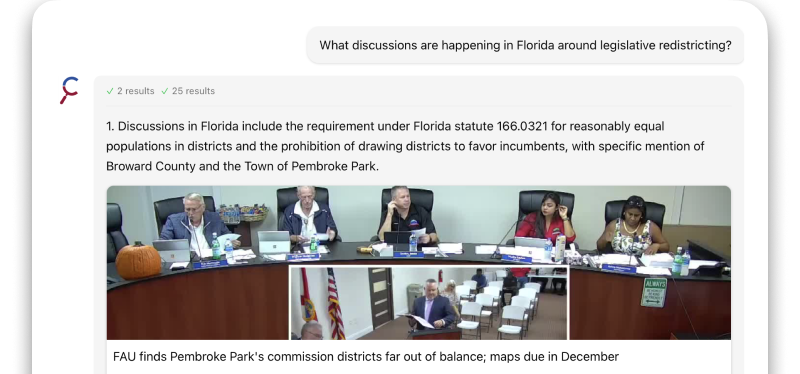
Committee reviews whistleblower procedure draft; members press for receipt verification and website workflow

Summary
Committee reviewed a draft whistleblower procedure that sets reporting flows and corrective-action responsibilities and envisions a reporting website; members debated a three-day forwarding requirement, how to verify receipt and whether the county's current vendor (USIP) is appropriate for whistleblower reporting.
Unidentified speaker S3 (transcript label S3) presented a proposed whistleblower procedure intended to create a clear reporting route for allegations of government misconduct and to align corrective-action flows with employee/jurisdictional authority.
The draft specifies that if a department head or supervisor is implicated, the elected official over that department implements corrective actions allowed by law; if an elected official is implicated, the county executive implements corrective actions and the matter is then forwarded to the oversight committee. The draft also envisions a public-facing reporting option (a website), and it would require that reports received by certain officials be forwarded to the committee within three calendar days.
Committee members raised operational concerns. S1 asked how the county would verify the date a complaint was received so officials could meet the three-day forwarding window; S6 flagged that the county's current vendor, USIP, is not specialized for whistleblower reporting and cannot be relied on to meet the committee's intended procedures. S4 recommended a workflow where complaints submitted online trigger email notifications to named officials (as the sheriff's office example demonstrates), and members discussed creating an internal receipt/acknowledgement or online form that stamps or records the date of receipt. S5 suggested a five-calendar-day window might be more practical; S4 and S1 preferred retaining a specific short timeframe (three days) but acknowledged the need for a reliable receipt/acknowledgement system.
The committee asked staff to add language clarifying what constitutes a report that must be forwarded (the draft includes categories such as waste/misuse of public funds, violations of law or abuse of authority) and to add a simple intake/acknowledgement process so officials can document the date they received a complaint. S3 indicated staff can add guidance on recording receipt and that they will incorporate the committee's preferred workflow language. No formal vote occurred; staff will circulate redline and clean versions and work with IT or vendor partners on the website/notification workflow.
Next steps include refining the definition of reportable misconduct in the draft, clarifying receipt and forwarding procedures and determining whether the county will rely on USIP or procure a different reporting workflow to ensure timely notification to the committee.