Get Full Government Meeting Transcripts, Videos, & Alerts Forever!
Get email alerts on the Conservation Easement topic
No spam. Unsubscribe anytime.
COSAC recommends final approval of Harris Farms easement, caps county contribution
Summary
The Cache County Open Space Advisory Committee voted to recommend County Council approval of the Harris Farms final‑round conservation easement, approving draft resolution language with a county funding cap and direction to finalize easement documents and administrative costs before funds are dispersed.
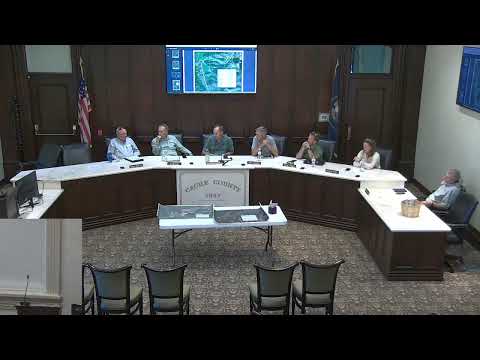
The Cache County Open Space Advisory Committee on Oct. 7 recommended that the County Council approve the Harris Farms final‑round conservation easement and forward a resolution that caps the county contribution and requires final easement review before disbursing funds.
The committee’s recommendation follows a presentation from staff and Jeremy Christianson, land conservation program manager at the Utah Department of Agriculture and Food (UDAF), who described the property and an updated funding plan. The parcel—located between Richmond and Lewiston near 10600 North 300 East—was described in the packet as roughly 225 acres. Staff said the property’s before‑value was estimated at about $3,150,000 (roughly $14,000 per acre) and an estimated easement value of about $2,362,500 based on comparable transactions.
Why it matters: the proposal combines agricultural preservation with a proposed trail easement along the Cub River and support for wetland mitigation that North Logan City has flagged. Committee members said the combination of agricultural protection and potential public access strengthens the project’s public benefit case.
Funding and conditions: staff outlined a proposed funding split anchored to likely federal and state grants. The plan anticipates the Natural Resources Conservation Service (NRCS) Agricultural Conservation Easement Program covering about 50% (approximately $1,181,250), Cache County covering up to 25% (staff drafted a county cap of $590,625), and the LeRoy McAllister state fund covering roughly 10% (estimated $236,002.50). Staff also proposed including administrative due‑diligence costs (about $21,000) in the recommended resolution. Jeremy Christianson cautioned that all figures are estimates and that the final dollar amounts will be established by a qualified appraisal during due diligence: “we estimated that 75% diminution in value,” he said, describing the before/after appraisal method used to approximate easement value.
Committee discussion and conditions: members asked staff to seek clearer commitments or a supporting statement from Richmond regarding trail access and to separate percentage caps from administrative cost allowances in the resolution language. Committee members debated whether to delay recommendation pending firmer commitments, but several said the application met the committee’s criteria and emphasized the rarity of landowners granting public access within conservation easements. One member noted the project’s added value as a potential anchor for additional easements nearby.
Motion and next step: a committee member moved and another seconded to recommend approval of the Harris Farm final‑round application as drafted. The committee voted by voice to recommend the resolution and directed staff to place the item on the County Council agenda for consideration. Staff said the item will be prepared for the council agenda in the coming weeks.
What’s next: final easement value and county disbursement will depend on a qualified appraisal and completed easement documents; the resolution as recommended requires County Council review and a written agreement with the applicant before any funds are dispersed.