Get Full Government Meeting Transcripts, Videos, & Alerts Forever!
Get email alerts on the Senior Services topic
No spam. Unsubscribe anytime.
Senior center warns Franklin County of meal-program funding shortfall after state cuts
Summary
The Capital City Activity Center told the fiscal court that state funding cuts have created a projected shortfall for senior meals and food pantry services; the center asked the court to find resources to avoid imposing a wait list and to sustain meal delivery and pantry operations.
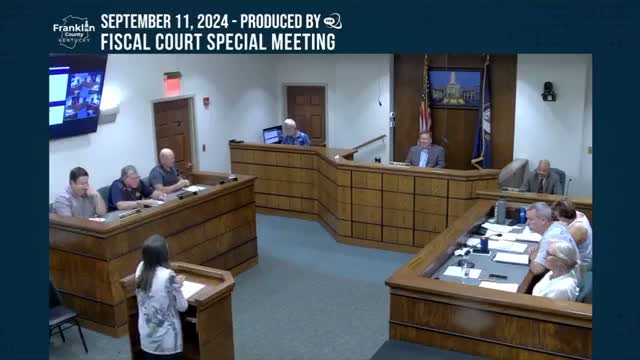
Marchelle Jenkins, executive director of the Capital City Activity Center, told the fiscal court on Sept. 11 that recent state reductions in senior nutrition funding are creating a serious local shortfall that could force a wait list for meals.
Jenkins said the center provides meals-on-wheels, congregate lunches, transportation and a large food pantry. She reported that state funding for senior meals dropped from about $14 million last year to $10 million this year in the Bluegrass Region, producing a regional shortfall; locally she said the center last year received more than $558,000 in nutrition funding but this year expects about $342,000, projecting a gap the center estimates at about $198,000 to sustain current meal service levels.
"Do you expect me to have my staff go to these folks and say, we can't feed you anymore?" Jenkins asked, describing clients for whom the daily meal might be the only food they receive. She said the center prepares meals in an on-site commercial kitchen (a cost-saving asset other area centers often lack) and that the organization relies on volunteers and occasional grant purchases to stretch donated food.
Court members acknowledged the pressure and discussed the need to coordinate state-level advocacy, use the county—s lobbyist and identify local budget or grant options. Several members pledged to look for resources and to consider the senior center when making budget decisions.
Next steps: officials said they would try to locate funding, coordinate with state advocates and consider allocating county resources to prevent service reductions.