Get Full Government Meeting Transcripts, Videos, & Alerts Forever!
Get email alerts on the Trial Procedure topic
No spam. Unsubscribe anytime.
Appeal in Wynne v. McKinley centers on alleged trial 'ambush' and whether it warrants a new trial
Summary
In Wynne v. McKinley, appellant counsel argues a late, trial‑day change in the defendant surgeon’s testimony amounted to an orchestrated 'ambush' that deprived the plaintiff of a fair trial and warrants Rule 59 relief; defense counsel and the district court viewed the change as met and mitigated through impeachment and trial strategy.
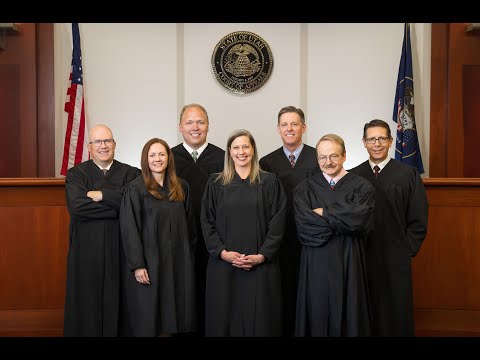
A Utah Court of Appeals panel heard arguments in Wynne v. McKinley over whether a post‑trial motion for a new trial should have been granted after a multi‑day medical‑malpractice trial. Appellant counsel Todd Wolfus told the panel the trial record shows a late change in Dr. McKinley’s testimony that was effectively an "ambush" and that the resulting prejudice could not be cured by impeachment alone.
Wolfus described the factual core of the case: patient Holly Wynne took a pulmonologist’s pre‑surgery recommendation to Dr. McKinley, and after surgery Wynne suffered a pulmonary embolism and brain injury. Wolfus said McKinley’s testimony shifted at trial from his deposition—at deposition he said the clinic misfiled a note; at trial, his reported answer was, "I didn't see it." Wolfus argued that four years of preparation and expert work were undercut when the factual presentation changed on day 1 of trial and that the trial court’s reliance on what plaintiffs did or did not do in the crucible of trial improperly measures prejudice.
Defense counsel responded that trial strategy, vigorous cross‑examination and impeachment of McKinley explained why plaintiffs did not immediately seek a mistrial and why the trial court reasonably concluded the credibility damage outweighed any surprise. The defense argued the plaintiffs had options—continuance, amendment, or a mistrial—and that the decision not to pursue those remedies was a strategic one that should not be retroactively rewarded on appeal.
The panel focused substantial questioning on preservation doctrine and whether the appellant had timely raised any "exceptional circumstances" exception to preservation in its primary brief. Judges queried whether the district court made the factual findings necessary for appellate relief and noted limits on creating new preservation exceptions from the bench.
Counsel also debated whether the trial judge’s on‑the‑record statements about whether the "door" to additional evidence was open should be read as a definitive denial that foreclosed subsequent action. The record shows the district court issued a post‑trial order denying Rule 59 relief while imposing sanctions the defense sought; the court of appeals panel asked both sides sharply about the interplay of strategic choices at trial, the nature of the alleged attorney conduct, and whether the irregularity was sufficient to have affected the outcome.
The panel took the matter under advisement and said it would issue an opinion as soon as possible. No decision was announced from the bench.