Get Full Government Meeting Transcripts, Videos, & Alerts Forever!
Get email alerts on the Land Use Annexation topic
No spam. Unsubscribe anytime.
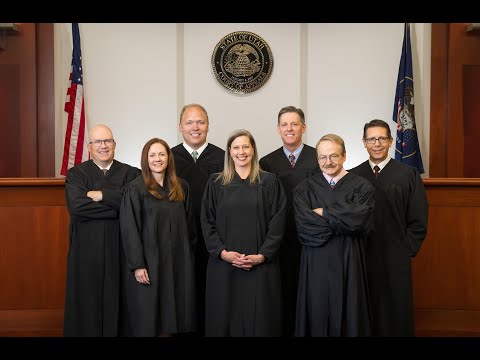
Court of Appeals hears challenge over Grantsville annexation during ERDA incorporation effort
Summary
Attorneys for ERDA Community Association argued that Grantsville’s May 2020 annexation of roughly 500 acres interfered with an ongoing incorporation initiative and that sponsors have standing under the Utah Constitution; Grantsville said appellants lack statutory and traditional standing and that claims are not adequately pled.
The Utah Court of Appeals heard oral argument in ERDA Community Association v. Grantsville City over whether Grantsville’s 2020 annexation of roughly 500 acres interfered with an ongoing citizen initiative to incorporate a new municipality.
Janet Conway, counsel for ERDA and the initiative sponsors, said appellants sought declaratory relief after Grantsville rezoned and annexed land that ERDA supporters had included in their incorporation plan. "ERDA is a rural agricultural based area in Tooele County," Conway told the panel, and the annexation occurred while sponsors were finishing signature gathering for a ballot measure, she said. Conway argued the annexation "harmed that protected interest" and contended the Utah Constitution’s initiative provisions (Article 1 §2 and Article 6 §1) and due‑process protections give sponsors a private right of action to challenge the city's actions.
The panel repeatedly pressed Conway on preservation and pleading: several judges asked whether the constitutional theories and the open‑courts allegations had been pled in the operative petition or were raised only later in summary‑judgment briefing. Conway acknowledged some constitutional arguments were developed first in the summary‑judgment papers but pointed to the district judge’s order denying Grantsville’s motion to dismiss as recognition that constitutionally protected rights were asserted below.
Grantsville’s lawyer, Nate Mitchell, told the court the appeal should be parsed into statutory claims governed by the annexation code and separate due‑process claims. "When it comes down to it, this case really should be about what are the claims alleged in the petition and there are really two," Mitchell said, describing (1) a LUDMA/annexation statutory review and (2) a due‑process theory. Mitchell argued sponsors lack statutory standing to contest the annexation process under the annexation scheme and that the petition does not show a particularized constitutional injury required for traditional standing.
The parties debated whether initiative protections attach at signature gathering, with Conway citing Utah Supreme Court precedent (Gallivan v. Walker and Downs v. Thompson) to argue protections begin once petitions are circulated. Grantsville urged the court to defer to the text of the annexation statutes and to the legislature’s delineation of who may protest or seek administrative review.
At several points the panel asked the parties to articulate a concise rule the court should adopt on whether initiative sponsors have standing to defend an initiative in court. Conway urged the court to recognize sponsors’ constitutional interest in the fixed boundaries proposed by an initiative; Mitchell urged caution and stressed the need to disentangle statutory standing from constitutional standing.
The Court of Appeals took the matter under advisement and said it would issue a decision in due course. The panel also invited counsel to submit supplemental briefing if the court deemed the recently issued League of Women Voters decision relevant to the issues on appeal.
The case: ERDA Community Association v. Grantsville City, case no. 20220760. The court called further briefing if warranted and will issue an opinion after consideration.