Get Full Government Meeting Transcripts, Videos, & Alerts Forever!
Get email alerts on the Appeals Fraud Damages topic
No spam. Unsubscribe anytime.
Utah Court of Appeals hears dispute over “pick‑me” letters, fraud claims and damage awards in Capizzoli v. Madden
Summary
A three-judge Utah Court of Appeals panel heard arguments over whether buyer letters expressing plans (so‑called "pick‑me" letters) can support a fraud-in-the-inducement claim and whether the trial court properly calculated flood-remediation damages; the court took the case under advisement and issued no immediate ruling.
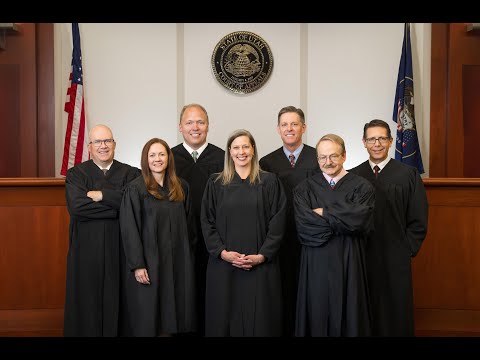
Sitting en banc for oral argument, Judge Ryan Tenney presided over a three-judge panel that heard debate on Capizzoli v. Madden, a dispute arising from the sale of a flood-damaged house and counterclaims premised on soliciting "pick‑me" letters. Counsel for the buyer and seller sparred over whether statements of present intent in solicitation letters can support a fraud claim and whether the damages awarded for flood remediation were tied to record evidence.
The appeal centers on two core issues. First, appellant counsel Jake Hinkins argued that the trial court’s damage findings included assertions—most notably that damage was "primarily to the kitchen"—that lacked record support and therefore undermined the award. Hinkins said parts of the remediation work (including removal of some kitchen flooring) were performed after the buyer arrived and that the court had relied on facts not in evidence. "If somebody comes in and... the auto body shop bangs it up even more, you don't get to come in and say, 'Hey, I get these damages too because the auto body shop broke my car,'" Hinkins told the panel to illustrate his point that unrelated post‑acquisition work should not be recoverable as flood damages.
Second, the parties debated whether so‑called "pick‑me" letters—buyer letters that describe hopes or plans for renovating and raising children in a house—can state a viable fraud claim. Hinkins told the court the complaint alleges that his client relied on two such letters and that, at the pleading stage, the court must accept those allegations and reasonable inferences. "The complaint alleges that these are representations... that my client relied on," he said, arguing dismissal at the pleading stage was premature.
Respondent counsel Carter Maudsley countered that the letters used language such as "we want to" rather than "we will" and that many such letters are nonpromissory expressions of desire. Maudsley urged that, under existing Utah case law, the letters were not promissory statements of future performance and thus not actionable fraud, and he defended the trial court’s damages award as tied to restoration bids submitted during litigation.
The panel probed multiple elements: falsity (whether the speaker’s intent could be shown false given evidence of renovations taking place before closing), reasonable reliance (whether a buyer could reasonably rely on aspirational language), and the pleading standard (whether the complaint alleges facts sufficient to survive a 12(b)(6) dismissal). The judges pressed both sides with hypotheticals—Judge John Luthy and another panelist repeatedly questioned whether statements of present intent could ever be actionable without further factual development—and discussed whether such disputes are quintessentially jury questions.
The court also examined a contract provision on attorney fees in the real estate purchase contract (REPC) at issue. Section 17 awards fees for litigation "arising out of the transaction contemplated by the REPC," and the panel asked whether fraud claims arising from precontract negotiations fall within that language. Maudsley argued the phrase can encompass negotiation-related torts; Hinkins urged a narrower reading that would not reach pre‑contract conduct absent clearer language.
Counsel and the panel addressed evidentiary matters as well. The reliability and foundation of testimony from an expert identified as Mr. Nye was discussed; Hinkins argued Nye’s methods and assumptions were insufficiently grounded and that the trial court improperly credited his testimony without proper exclusion or foundation. The parties disputed factual details relevant to mitigation and the proper damages measure: at trial one side presented a restoration bid, while the opposing side said homeowners performed interim repairs and used stored matching flooring (the testimony on boxes and square footage was inconsistent in the record).
No decision was announced. Judge Tenney told the lawyers the court would take the matter under advisement and issue a ruling as soon as practicable. The arguments highlighted legal fault lines about when expressions of intent become legally actionable misrepresentations and how damage awards should reflect mitigation and record evidence.
Next steps: The Court of Appeals will issue a written decision resolving whether the fraud claim and the damage findings survive the procedural posture of this appeal; the opinion will determine whether the case proceeds to further factfinding or whether the trial court’s rulings on damages and fraud should be affirmed or reversed.