Get Full Government Meeting Transcripts, Videos, & Alerts Forever!
Utah Court of Appeals hears challenge over when "involve" means force for registry exemption
Summary
In State v. Lytle, defense counsel argued possession convictions cannot, by their statutory elements, "involve" force or coercion and thus a youth under 21 may obtain a ten‑year registry exemption; the state urged a broader reading tied to the content of the materials and the sentencing record. The court took the matter under advisement.
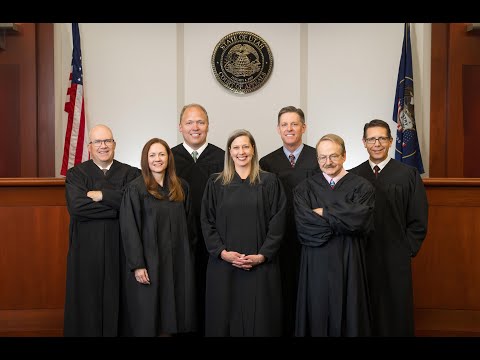
SALT LAKE CITY — The Utah Court of Appeals on the morning of the oral argument considered whether a statutory exception allowing some offenders under age 21 to avoid lifetime sex‑offender registration applies when an offense “involves” force or coercion.
“Subsection 3(c)(3)(I) of the registry statute provides an exception to the general rule that an offender convicted of an offense listed in section 106 must register for life,” defense attorney Sarah Carlquist told the three‑judge panel. Carlquist argued the word “involve,” read in context, “means to have within or as a part of itself,” and that the possession or viewing offense at issue in State v. Lytle cannot, by its statutory elements, be committed by force or coercion.
Carlquist…
Already have an account? Log in
Subscribe to keep reading
Unlock the rest of this article — and every article on Citizen Portal.
- Unlimited articles
- AI-powered breakdowns of topics, speakers, decisions, and budgets
- Instant alerts when your location has a new meeting
- Follow topics and more locations
- 1,000 AI Insights / month, plus AI Chat