Get Full Government Meeting Transcripts, Videos, & Alerts Forever!
Get email alerts on the Adoption Appeal topic
No spam. Unsubscribe anytime.
Utah Court of Appeals hears challenge to 2021 adoption decree amid fraud and choice-of-law dispute
Summary
The Utah Court of Appeals heard argument in an appeal by a Minnesota father, DCT, who contends a fraudulently obtained July 6, 2021, adoption decree should be vacated and that Utah law improperly cut off his Minnesota remedies; judges questioned whether Utah statutes and fraud-immunity rules bar relief and whether Minnesota law should govern.
The Utah Court of Appeals heard oral argument Thursday in an appeal by DCT, the unmarried biological father, seeking to undo an adoption finalized July 6, 2021. Appellant counsel Wes Hutchins argued the adoption was procured through significant misrepresentations and that provisions of the Utah Adoption Act — described in argument as a fraud-immunity construct — make a fraudulently obtained decree effectively unassailable.
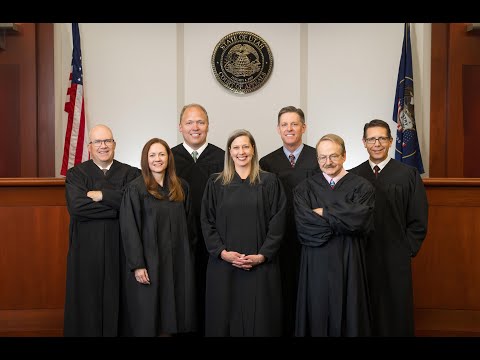
Hutchins told the three-judge panel, chaired by Judge Amy Oliver, that the gravamen of his appeal is an "as-applied" due-process challenge: Utah statutes were applied here in a way that extinguished the Minnesota father's rights after a decree he says was obtained by fraud. "You can't use Minnesota law to say he's not complied with an adoption decree that's improperly issued in the first place," Hutchins said during argument, citing appellate precedents and record passages where the district court expressed concern about misrepresentations.
Appellees, represented by Lance Rich, told the court the district court found the father had not complied with either Minnesota or Utah requirements for notice and for establishing parental rights. Rich emphasized the time available to the father—he said the child was approximately 2½ years old when adopted—and the multiple avenues (registry, paternity petition, support, postjudgment motions) that, in his view, were available to preserve rights. "He had two and a half years where he could have filed a paternity action, he could have gotten on the registry, he could have substantially supported the child," Rich said.
The central legal disputes the panel probed included (1) whether Utah's fraud-immunity provisions and related Adoption Act sections can bar a collateral or direct attack on a decree alleged to have been procured by fraud; (2) whether Utah or Minnesota law governs a Minnesota father's rights when an adoption is litigated in Utah; and (3) whether factual findings below, including extensive findings about support and registry searches, are dispositive regardless of the statutory subsection the district court cited.
Judges pressed both sides on statutory detail and record gaps. The bench asked whether the court could consider the appellant's reply brief after a filing deficiency was identified; the parties debated whether the court has discretion to reach substantive arguments despite a brief being lodged but not formally filed. The panel also raised whether a birth mother's sworn declaration, which counsel acknowledged contained false information about the father's status, could constitute "fraud on the court" when the court relied on that declaration to select the statutory path for the adoption.
Hutchins argued that a one-week delay in filing a paternity action in Minnesota after the July 6 decree (the record shows the Minnesota action began July 13) should not be dispositive where counsel says the decree itself was fraudulently obtained; he also noted the record contains a paternity test counsel described as confirming paternity at "99.999's" (as stated in argument). Rich countered that the father's remedies under Minnesota law were not exclusive and that the district court made credibility and support findings supporting its outcome.
The court asked about choice-of-law and jurisdictional limits, with panel members noting that while Utah adoption proceedings are governed by Utah law, some Minnesota statutory features may be considered when Minnesota residents are involved. Counsel differed on whether Utah law may be applied at all to a Minnesota father in these circumstances; Hutchins maintained the issues present both constitutional and jurisdictional problems.
After taking questions from the panel, and giving Hutchins full rebuttal time, the court concluded oral argument and took the matter under advisement. "We will take this matter under advisement and issue a decision as soon as we are able to do so," Judge Oliver said.
Background and next steps: The appeal follows postjudgment proceedings and an evidentiary hearing in which the district court entered amended findings the parties discussed at length. The Court of Appeals did not announce a ruling at the hearing; it will issue a written decision in due course.