Get Full Government Meeting Transcripts, Videos, & Alerts Forever!
Get email alerts on the Police Employment Due Process topic
No spam. Unsubscribe anytime.
Court of Appeals hears challenge to Provo City police termination over alleged process failures
Summary
Attorneys for Nisha King told the Utah Court of Appeals that Provo City violated its own personnel policy and denied procedural protections when it terminated Sgt. King; Provo City argued there was substantial evidence of harassment and dishonesty and that HR procedures applied.
The Utah Court of Appeals heard oral arguments in King v. Provo City Civil Service Commission over whether the city followed its personnel procedures and whether that failure caused "substantial prejudice" to Sgt. Nisha King, who seeks reversal of her termination and reinstatement with back pay.
"This case transcends the termination of a single police officer," attorney Steve Tixson told the three-judge panel, saying the outcome will affect how constitutional and employment protections are applied to law-enforcement personnel. Tixson argued that the department's internal policy (referred to in briefing as policy 10-10) promised officers access to investigative materials — including witness recordings and video — before predetermination hearings and that King did not receive those materials until about six weeks after a key September hearing.
Provo City counsel disputed that the procedural defects, even if present, caused reversible prejudice and said the city met its burden to show substantial evidence of misconduct. "Provo City met its required burden to show that there's substantial evidence that misconduct, and in this case, harassment and dishonesty, occurred," the city's counsel told the court, emphasizing the consistency of the victim's testimony and the commission's credibility determinations.
A central factual dispute highlighted by the panel involved audio and videotape evidence of an incident involving flagpoles. Tixson said the recordings were not provided to King prior to her predetermination interview, which left her unable to explain earlier perceived denials or statements that she could later confirm after hearing the tape. The appellant also said King was denied counsel at a pretermination interview and was asked to sign a form that stated Garrity protections did not apply — a development Tixson called a "blindside." He said the combination of withheld evidence and denial of counsel led to substantial prejudice.
Provo City countered that some harassment allegations were correctly routed to the city's Human Resources office under city personnel policy 31 and that retention of investigative control by HR does not eliminate fairness protections. The city's counsel further argued that prosecutors ultimately declined to pursue criminal charges and that the administrative factfinder — the chief and the commission — had sufficient and credible evidence to support termination regardless of the criminal result.
The panel repeatedly pressed both sides to identify specific facts showing how any procedural lapses altered the outcome. Judges asked counsel whether the missing material would have allowed King to have countered a particular piece of evidence at the time of predetermination. Tixson pointed to the tapes and to the difference between King's initial statements ("I don't remember") and her later admission at a commission hearing after reviewing the recordings.
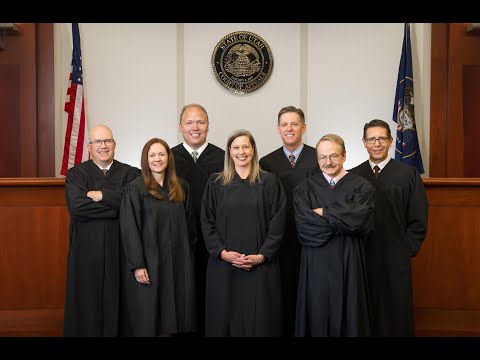
At the close of argument the court said the submissions were helpful and that a written opinion would follow. "We will get a written opinion out in due course," Judge Luthy said. The panel took a brief recess before hearing the consolidated Duffin appeals.
The Court of Appeals' written decision will determine whether procedural protections in policy 10-10 (as ratified by the city) require reversal when internal investigative materials or counsel were withheld and whether substantial prejudice can be shown on these facts.