Get Full Government Meeting Transcripts, Videos, & Alerts Forever!
Get email alerts on the Interested Party Jurisdiction topic
No spam. Unsubscribe anytime.
Appeals court questions Dustin Hugley's status as an "interested party" and jurisdictional consequences
Summary
In the second oral argument of the session the Court of Appeals pressed whether Dustin Hugley was a party below, whether an "interested party" filing has procedural effect, and whether interlocutory rulings (including contempt findings and arbitration confirmation) preclude relief; Hugley said consolidation and related stalking-injunction proceedings made him a party.
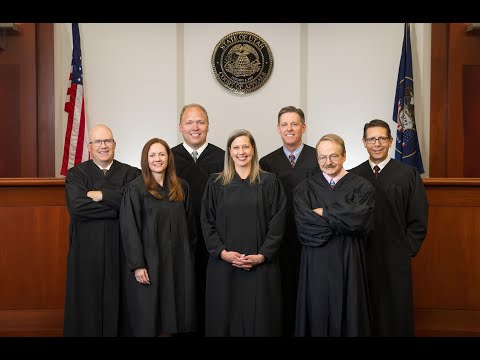
The Utah Court of Appeals continued the day's oral argument with a related appeal involving Dustin Hugley, who is listed in filings as an "interested party." The panel questioned whether Hugley had been properly made a party in the district court and whether the appellate court therefore had jurisdiction to hear his appeal.
Hugley told the court he had been made a party when related stalking-injunction proceedings were consolidated into the litigation and that he had participated in arbitration. "Either I'm a party or I'm not," he told the panel, pressing that the record and consolidation steps gave him party status for purposes of the adjudicated issues.
The court pressed procedural mechanics. Judges asked whether Hugley had filed a Rule 24 motion to intervene, whether any third-party complaint had been brought to name him as a defendant, and whether answering a cross-claim offered him the right to continue litigating the related disputes. Counsel for the appellees noted that a cross-claim had been filed and that Hugley had answered it, but judges observed that simply labeling someone an "interested party" in a complaint does not, alone, create established procedural rights.
The panel also asked whether the court could revisit contempt rulings and other interlocutory decisions already addressed in an earlier May interlocutory order. Judges raised the "law of the case" concern and asked counsel to explain why the court should reconsider matters affirmed in the prior interlocutory disposition; Hugley said he would address any required exceptions in rebuttal but also repeated that consolidation and subsequent filings had changed his posture.
The parties and the panel debated possible downstream consequences: if Hugley were not a party below, could certain rulings have different preclusive effects or permit refiling of claims? Counsel suggested remedies such as dismissal of an improper "interested party" complaint or, alternatively, that arbitration and confirmation proceedings already litigated would affect later filings. No decision was announced from the bench; the panel took the arguments under advisement for written resolution.
What happens next: The Court of Appeals will decide in writing whether Hugley had standing and whether interlocutory rulings or arbitration rulings preclude or permit the relief he seeks; that determination will shape whether any portion of the case must be refiled, dismissed, or affirmed on alternate grounds.