Get Full Government Meeting Transcripts, Videos, & Alerts Forever!
Get email alerts on the Disqualification And Amendment topic
No spam. Unsubscribe anytime.
Court of Appeals hears Bloodworth challenge to disqualification, denied amendment and arbitration referral
Summary
In oral argument before a three-judge Utah Court of Appeals panel, appellant Sage Bloodworth argued she was denied the right to amend her pleading and that multiple tribunals failed to substantively address whether opposing counsel should have been disqualified; appellees urged discretion and reliance on arbitration and existing precedent.
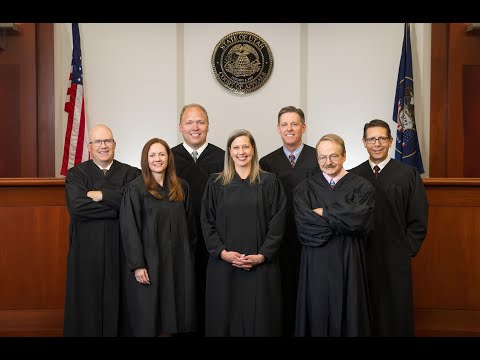
A three-judge panel of the Utah Court of Appeals on the bench led by Judge Ryan Tenney on Thursday heard argument in Bloodworth v. Bennett, where appellant Sage Bloodworth urged the court to overturn rulings that she says denied her the right to amend pleadings and failed to substantively resolve whether counsel for the company should have been disqualified.
Bloodworth, speaking for the appellant, told the panel that the central error below was procedural and dispositive: "The number 1 issue that I would like to focus on here is the fact that I never was given a right to amend my pleading based on their amended pleading," she said, describing a stay entered December 2021 and subsequent orders she says altered the parties' litigation posture. She also argued the district court did not supply findings explaining its decision on disqualification and described delay and the referral to arbitration as entwined problems.
The issue matters, Bloodworth told the court, because she contends a majority of a small company's board—three of four members—were accused of wrongdoing yet retained control of litigation decisions. She asked the appellate court to give guidance to lower courts on how to handle situations where board-majorities allegedly seek to direct litigation to block claims against themselves and urged consideration of receivership remedies. "I think it's a miscarriage of justice if it does," she said.
Appellees' counsel Steve Whiting defended the district court's and arbitrator's handling of the matter. Whiting told the panel he "take[s] direction from the companies" and argued that the governing rules—counsel cited the Rules of Professional Conduct—do not authorize an attorney to supplant corporate decision-makers. He raised procedural concerns about how disqualification motions had been used, saying parties filed serial motions and that contempt and sanction proceedings affected how the district court managed its calendar. On timing, Whiting asserted courts have "broad discretion" to manage their dockets and, in that context, may defer some issues to arbitration.
The panel pressed both sides on briefing and preservation. Judge Tenney noted the appellant's record citations and brief lacked pinpoint record citations and asked whether the brief complied with rule 24(a)(9); Bloodworth acknowledged possible procedural missteps. The court also read portions of an interlocutory order, and asked counsel whether prior appellate remarks foreclosed or left open the broader disqualification question; the panel repeatedly probed whether an arbitrator's or another court's statement that it "had not been persuaded" equates to a substantive ruling for purposes of preclusion.
Both sides discussed precedent. Bloodworth asked the court to adopt principles from Vance v. Vance (Kansas), which the appellant said recognizes separate representations and potential receiver remedies in similar circumstances; appellees said the record did not show counsel had acted independently of client direction in a way that would require disqualification. The parties also debated whether and when a district court must make detailed findings of fact when denying disqualification, with the panel seeking citations tying that doctrine to disqualification context.
After argument and a rebuttal limited to issues raised during questioning, the panel concluded the first appeal and immediately called the related appeal involving interested party Dustin Hugley. The court did not render a decision from the bench; the matters were taken under advisement for a written opinion.
What happens next: The Court of Appeals will issue a written decision resolving whether (1) Bloodworth's procedural and preservation arguments are sufficient to reverse the district court, and (2) the disqualification and receivership-related doctrines urged by the appellant should be adopted or applied in this case.