Get Full Government Meeting Transcripts, Videos, & Alerts Forever!
Get email alerts on the Quiet Title topic
No spam. Unsubscribe anytime.
Appeals court hears dispute over quiet-title ruling in Prado property case
Summary
In Prado v. Prado, appellants argued the trial court erred in finding a statute of limitations and in failing to make necessary findings on superiority of title; appellees argued the claims were tort-based (fraud) and time-barred. The panel took the matter under advisement.
The Utah Court of Appeals heard argument in Prado v. Prado, a dispute over whether the trial court correctly concluded appellants’ quiet-title claim was time-barred and whether the court made sufficient material findings on superior title.
Ryan James, representing appellants Jorge Prado and Josefina Luna, told the panel that Jorge's quiet-title claim “was not subject to a statute of limitations” and that the trial court failed to make necessary findings to resolve competing claims to title. James argued the record established actual possession and a prima facie claim of superior title and asked the court to reverse on grounds the lower court did not adequately resolve superiority of title after addressing limitations.
Appellee counsel Derek Coulter responded that the quiet-title action was not a ‘pure’ quiet-title claim but instead depended on tort causes of action (fraud, slander of title), which carry statutes of limitation; Coulter noted the 2010 warranty deed, recorded notice and related tax records as reasons appellants had constructive or actual notice. He argued the trial court’s factual findings on credibility and notice are supported by the record.
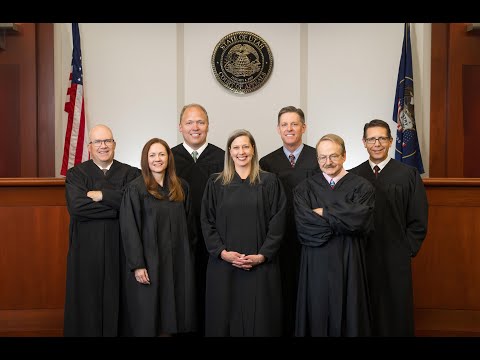
Judges pressed both sides on the legal distinction between a pure quiet-title action and a quiet-title claim dependent on tort allegations, and on how lack-of-consideration and statute-of-frauds theories were presented to the trial court. The panel took the matter under advisement and said it will issue a written decision.