Get Full Government Meeting Transcripts, Videos, & Alerts Forever!
Get email alerts on the Land Use Housing topic
No spam. Unsubscribe anytime.
Santa Cruz Planning Commission approves modified 831 Water Street SB 35 project
Summary
The Planning Commission found the modified SB 35 project at 831 Water Street consistent with applicable objective standards and approved requested density bonus incentives, concessions and waivers following staff presentation, extensive public comment and a 3-1 roll-call vote.
SANTA CRUZ, Calif. — The Santa Cruz Planning Commission on Dec. 19 voted to find modifications to the SB 35 project at 831 Water Street consistent with the objective standards that applied when the original application was filed, clearing the way for a revised five-story, mixed-use development that staff said will now be entirely affordable.
Ryan Veil, senior planner, told the commission the applicant secured CalHFA mixed-income financing that changed project programming so “all 140 units of the project will now be affordable” and prompted design changes including combining two buildings into one, shrinking commercial space from about 5,000 square feet to under 900 and cutting parking from about 144 spaces to 43.
The commission’s role in the hearing was limited by SB 35’s ministerial standard: staff and the city attorney advised commissioners they must apply objective standards in effect when the original application was submitted and that the city may only deny concessions or waivers under a high legal threshold (no identifiable cost reduction or a specific, unmitigable adverse health-or-safety impact).
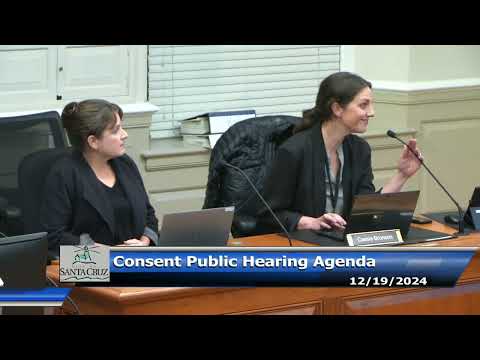
Attorney Amber Morrison, representing Novin Development Corporation, reiterated that the process is ministerial and asked the commission to follow the staff analysis. “The process has to meet ministerial standards,” she said, and noted the applicant had submitted materials to the city attorney’s office about the scope of the commission’s review.
Neighbors and other speakers offered sharply divided testimony over several hours. Residents living behind the site warned of traffic and safety risks at the project driveway and delivery areas, loss of sunlight and shading to adjacent homes, groundwater and stability concerns for deep excavation, and negative impacts from the large reduction in open space and retail. Tom Gardner, a nearby resident, said the project’s optics felt like “a greedy developer using state law to do whatever they want.”
Supporters — including renters, students and local workers — urged approval, highlighting the value of additional affordable homes and proximity to transit and jobs. “I could see myself living in an apartment here,” said Theo Kell, a renter who said he supports converting the project to fully affordable units.
Commissioners acknowledged the community’s concerns, with several expressing personal reservations about height, open space and parking. But multiple members noted the legal constraints of ministerial SB 35 review. Commissioner Kelsey moved to find the modified project consistent with the applicable objective standards; Commissioner Thompson seconded. The roll-call vote recorded Commissioner Dan voting no and Commissioners Thompson, McKelvey and Chair Conway voting yes. The motion passed.
Staff flagged two conditions of approval that were updated: one clarifies landscaping timing in relation to occupancy and another revises Condition 8 to require compliance with state law on prevailing wages and the city’s skilled-and-trained workforce requirements, while allowing staff to confirm the precise legal application after further research.
After the vote, the chair thanked members of the public for their participation and staff outlined upcoming hearings and project updates, including other water-street projects and the downtown plan EIR expected for release in January. The commission closed the item and continued the meeting to other business.
What’s next: The approval finds the modifications consistent under SB 35’s ministerial process; any subsequent conflicts over conditions or compliance with state law could prompt additional administrative steps or clarification from state housing agencies, per staff comments.