Get Full Government Meeting Transcripts, Videos, & Alerts Forever!
Get email alerts on the Library Ebooks topic
No spam. Unsubscribe anytime.
Libraries Press for State Guardrails on Ebook Licensing as Costs and Expirations Bite
Summary
Librarians and the State Library urged passage of HB6958, saying current ebook licensing (commonly 2‑year expirations or 26 lends) forces repeated repurchases and costs Connecticut libraries multiples of consumer prices; the State Library seeks contract‑law protections to restore negotiating power to libraries.
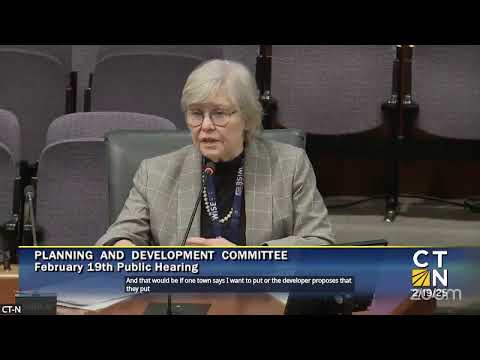
Librarians, consortia and the state librarian told the Planning and Development Committee that current ebook licensing terms are unsustainable for public libraries across Connecticut.
Deborah Shander, State Librarian, said the State Library has spent almost $100,000 this fiscal year on ebooks and projected nearly $200,000 by year end, while losing access to more than 1,000 titles (about 14% of its collection) when licenses expired. "I'm not here today asking to spend less. I'm asking to spend better to be able to purchase more titles and support more readers using the funds that we are already spending," Shander said.
Rebecca Harlow, chair of the ebook committee for the LION consortium, presented data showing the consortium has spent more than $2.2 million on leased digital material and will lose more than $1 million in content value as licenses expire over two years. Local directors and coalition leaders said pricing commonly runs three to six times consumer ebook prices and that short‑term, metered licenses (for example, two‑year expirations or lending limits) prevent libraries from building lasting collections and meeting high demand for popular titles.
Library advocates told the committee HB6958 is narrowly tailored to contract and consumer protection law to avoid federal copyright preemption. They said the bill would not compel publishers to sell; rather it would create acceptable contractual terms if a publisher chooses to offer a license. Librarians emphasized equity concerns: many residents depend on library digital access for audiobooks, large‑font ebooks and 24/7 access when branches are closed.
Committee members asked how other states fared and whether litigation risk exists; witnesses described prior legal challenges in other states but said the Connecticut draft focuses on contract principles, not compulsory licensing. The committee requested follow‑up material and technical language to minimize legal risk and to preserve access to authors and publishers.