Get Full Government Meeting Transcripts, Videos, & Alerts Forever!
Get email alerts on the Robotics topic
No spam. Unsubscribe anytime.
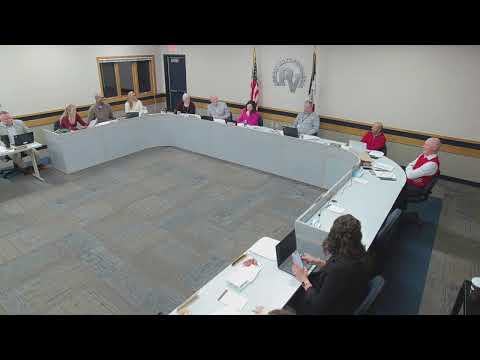
Pleasant Valley students showcase robotics program, cite volunteer coaches and recent grant
Summary
Students and program volunteers described a long-running robotics program, a recent $10,000 Riverboat Development Authority grant, summer camps, and a student innovation project addressing ocean acidification. Board members praised volunteers and endorsed ongoing course and CTE connections.
Students from Pleasant Valley presented a robotics demonstration and innovation project at the district board meeting, tracing a program history that staff and volunteers said stretches back to about 2002.
Theresa Barber, a long-time volunteer and program leader, said the district started after-school LEGO Mindstorms courses and gradually grew teams at elementary and junior-high levels. She noted summer camps that “sell out every year” and now draw high school students back as mentors.
Unidentified Speaker 6 announced the program had won a $10,000 grant from the Riverboat Development Authority and credited Jason Bronsonberg as the adviser and the teacher who applied for the award. Board members praised the volunteer coaches; one director said the program “is truly been a game changer in our district.”
Members of Team Cool Krill (Cool Girls) from Pleasant Valley described how they design attachments and code for specific missions in the FIRST Lego League challenge. Student presenters said they split responsibilities across coding, building and an innovation project tied to this year’s theme about oceans.
On the innovation project, students explained they researched ocean acidification and invasive species and proposed technical approaches — including extracting or delivering calcium carbonate — after consulting local experts. One student said calcium carbonate can neutralize carbonic acid, and the team described ideas for vacuum- or drone-based systems to gather and redistribute material.
District staff and board members emphasized the program’s educational benefits: teamwork, engineering design, and pathways into CTE and college programs. The board noted the district has used past grants (including from John Deere and Alcoa) to support robotics and that parent volunteers currently coach all teams.
The board’s recognition included a small presentation acknowledging Theresa and David Barber for their multi-year volunteer leadership and the program’s Spartan Stone scholarship, which Barber said the camp proceeds help fund.
Next steps mentioned by administrators included continuing to promote robotics into junior high and high school coursework and integrating robotics exposure into CTE pathways so students can build on hands-on experiences in postsecondary programs and apprenticeships.