Get Full Government Meeting Transcripts, Videos, & Alerts Forever!
Get email alerts on the Behavioral Health Mobile Response topic
No spam. Unsubscribe anytime.
County mobile crisis team to be based in Junction City; council to review formal agreement later
Summary
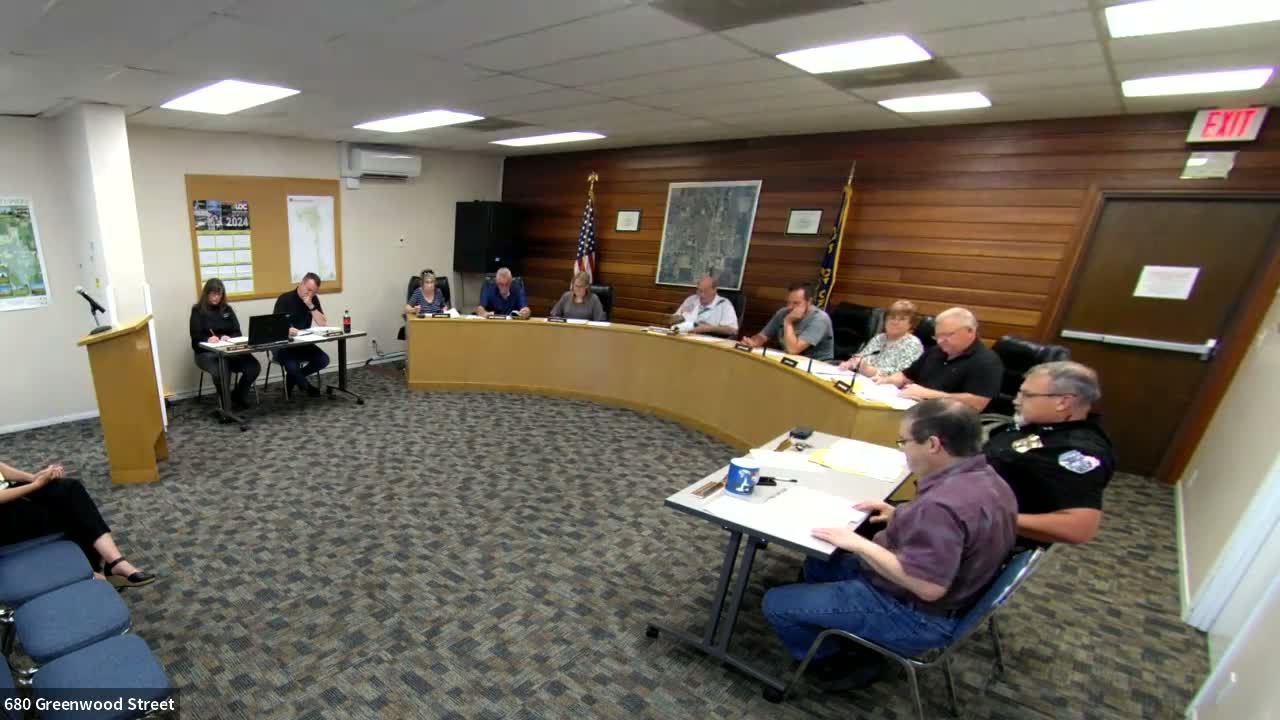
Sarah McCrory, the county project manager, told Junction City council that a van‑based mobile behavioral health crisis response will be co‑located in the city to shorten response times and provide on‑scene care; the council heard the presentation but took no action because the agreement is not yet finalized.
SARAH MCCRORY, project manager for the county mobile crisis service, outlined a van‑based program intended to deliver behavioral‑health crisis care to people where they are, saying the goal is to reduce law‑enforcement involvement and hospital transports. “If someone is in a mental health or behavioral health crisis, they should be able to have care come to them to help them escalate and manage that crisis where they're at located in the community rather than having to maybe engage with law enforcement,” McCrory said.
McCrory told the council the county has been operating similar services in metro Eugene and Springfield and is expanding coverage to outer and rural areas, with a van to be based in Junction City. She said locating a vehicle here will cut travel time for responses and allow staff to build relationships locally: “Having a van here in Junction City is incredibly meaningful for our team because it means that we can be a real presence here. We can develop trust,” she said.
On safety and operations, McCrory said the mobile teams will be dispatched by the Lane County Sheriff’s Office with back‑line communications to local police and that responders will be trained in defensive tactics. She described transport protocols: voluntary, nonsecure transports will be undertaken by the mobile team, while secure transports or cases requiring force would rely on law enforcement or secure medical transport. McCrory also said “upward of 85% are handled in situ,” and that the program includes follow‑up care for encounters: “We'll provide 72 hour follow-up.”
Council members asked questions about authority to request transport, follow‑up and safety; McCrory said staff have been developing protocols with local emergency departments and partner agencies to smooth transfers of care. The council did not vote on an agreement at the June 25 meeting because a finalized contract was not available; staff and presenters said the item will return to a future meeting with the formal co‑location agreement for council consideration.
The presentation did not include a final contract or a vote. The council asked staff to bring the completed agreement back for review and formal action at a later date.