Get Full Government Meeting Transcripts, Videos, & Alerts Forever!
Get email alerts on the Medical Policy topic
No spam. Unsubscribe anytime.
Committee approves narrowly carved ban on ‘‘gene-based vaccines’’ after amendments to protect therapies
Summary
House Judiciary advanced a measure that would ban administration of gene-based vaccines in Montana, but members approved an amendment carving out gene therapy and gene-based treatments for cancer and genetic disorders; the bill drew sharp debate over medical choice and evidence.
Representative Kametz introduced House Bill 371 to prohibit the administration of so-called gene-based vaccines in Montana. During executive action the sponsor offered and the committee adopted an amendment that carves out gene-therapy products used to treat cancer and genetic disorders.
Supporters argued the bill protects medical choice and raised concerns about safety reporting and perceived data suggesting vaccine harms; Representative Kametz and other proponents described clinical and anecdotal cases they said warranted legislative action. Opponents including medical experts — an epidemiologist, pediatric intensivist and pathologist who testified earlier in hearings — urged the committee to defer to public-health authorities and clinicians, saying the science does not support a broad ban and stressing the risk of cutting off treatments for vulnerable patients.
Representative Cunningham, a pediatric oncologist, expressed concern that the bill as originally drafted could prevent patients (including those with severe genetic disease) from receiving legitimate gene-based therapies. The adopted amendment explicitly exempts gene-therapy products used for treating cancer and other gene disorders.
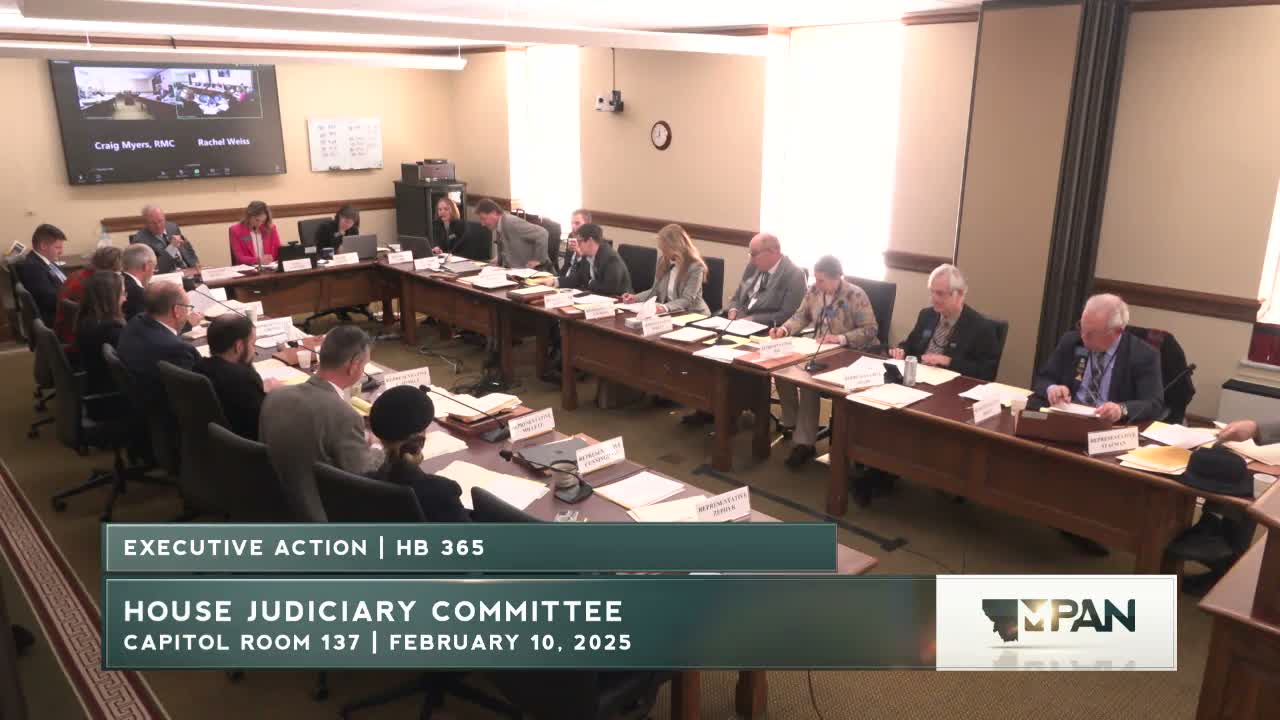
The committee passed the bill as amended in executive session. Members split on policy and authority: proponents framed the bill as protecting patient choice and guarding against perceived harms; opponents argued it would restrict medical options, drive patients out of state, and substitute legislative judgment for clinical regulatory decision-making.
The bill now advances out of committee as passed by the House Judiciary Committee.