Get Full Government Meeting Transcripts, Videos, & Alerts Forever!
Get email alerts on the Mobile Home Dispute Resolution topic
No spam. Unsubscribe anytime.
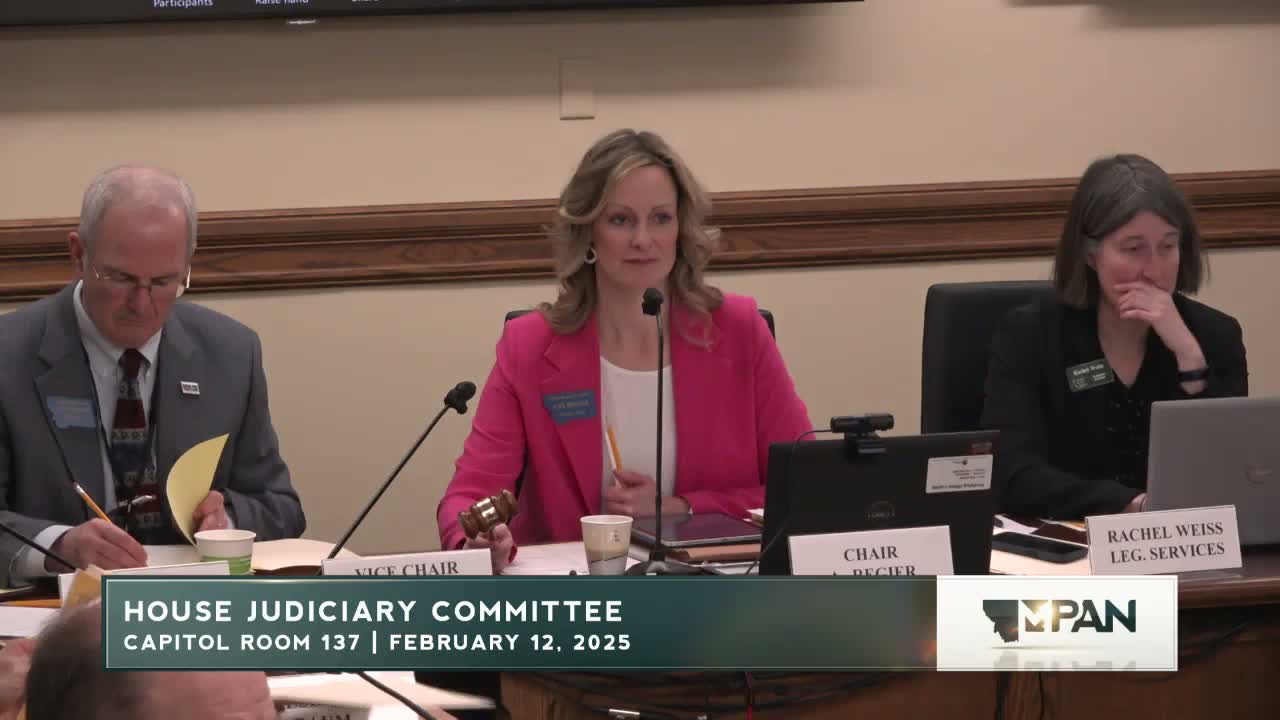
Montana committee hears emotional debate over bill creating mobile-home park dispute-resolution program
Summary
A bill to create a Department of Commerce-run dispute-resolution program for mobile-home-park residents drew lengthy, emotional testimony from tenants and stark opposition from park owners and industry groups; committee members pressed the sponsor on enforcement, fees and constitutional issues.
Representative (sponsor) told the House Judiciary Committee that House Bill 305 would create a structured dispute-resolution program to enforce existing law for residents of mobile-home parks, paid for by a $24-per-lot annual fee split between park owners and residents and administered by the Department of Commerce.
Supporters who testified described a pattern of out-of-state investment firms buying mobile-home parks, raising rents, cutting maintenance and leaving residents — many of them seniors or people with disabilities — with little practical ability to challenge owners. Cindy Newman, a long-time resident, said the bill ‘‘fills a needed gray area’’ by giving residents an accessible forum to file complaints and seek remedies without costly litigation. Janice Bailey, representing Countryside Village in Great Falls, told the committee that seven Montana parks owned by a single out-of-state firm now suffer diminished maintenance and higher fees.
Advocacy groups and local governments also backed the bill. Aubrey Godbey of the Montana Budget and Policy Center said HB 305 would increase transparency around park sales and allow residents 70 days to organize a resident-owned bid. Parker Webb, housing policy specialist for Missoula, said the bill ‘‘aligns with Missoula’s commitment to preserving naturally occurring affordable housing.’’ Jake Brown of Shelter Whitefish and others emphasized stability for homeowners who cannot easily relocate their manufactured homes.
Opponents argued the bill would create an expansive new regulator with the power to levy fines and liens, fund itself with penalties, and effectively usurp judicial authority. Nathan Groveum, who owns three parks, said the Department of Commerce is neither equipped nor appropriate as a factfinder and warned the fee structure would be borne by landlords and, ultimately, tenants. Charles Denow and other owner representatives cited Colorado experience and the fiscal note, which projects higher fees after the second biennium. The Montana Department of Commerce’s deputy director told the committee the agency is not a regulatory body and expressed concerns about the program costs and mission fit.
Committee members pressed the sponsor on several points: whether the Department of Commerce is the right home for the program, how the board or investigators would be qualified, what happens if a park owner refuses to register, whether the process would strip owners of property rights, and whether administrative remedies would be required before a court action. The sponsor said participation would not be mandatory for any party in court — ‘‘this section does not provide an exclusive remedy’’ — and said he is open to amendments, including clarifying staffing qualifications and whether another agency is a better fit.
The committee heard multiple residents describe urgent conditions — sewage problems, deferred maintenance, and sharp rent increases — and repeated calls for guardrails against rapid investor consolidation. Owners and landlord associations urged caution, arguing the bill could raise operating costs, duplicate existing remedies, and expose small or mom-and-pop owners to undue burdens.
The hearing closed with the sponsor offering to continue work with stakeholders on amendments to address concerns about enforcement, fees and procedural safeguards. The committee did not take final action during the hearing.
The next procedural step would be committee consideration of amendments or executive action on HB 305; no final vote on the bill occurred during today’s hearing.