Get Full Government Meeting Transcripts, Videos, & Alerts Forever!
Get email alerts on the Veterans Services Misc topic
No spam. Unsubscribe anytime.
Roundup: Dental care vouchers, transit access, education waivers and waitlist changes for veterans
Summary
At the Feb. 13 hearing the committee heard multiple smaller bills: HB 6765 (dental vouchers for veterans), SB 775 (year‑round free transit proposals), HB 6439 (tuition waiver expansion), and HB 6910 (wait‑list exceptions for VA‑contracted long‑term care), with advocates urging action to fill gaps in services.
Beyond the headline items, committee members heard testimony on a range of smaller but concrete proposals for veterans’ services.
Dental care: Samantha Sinevratna (Yale School of Public Health) supported HB 6765 to provide dental vouchers so eligible veterans could access care at the UConn School of Dental Medicine and federally qualified health centers, citing evidence that poor oral health contributes to systemic disease and employment loss.
Transit: Brian DeCanto and other witnesses urged more than a one‑day free‑ride proposal, backing Senate Bill 775 for year‑long free public transit for veterans as a low‑cost way to remove a barrier to employment and shelter access.
Education: Sergeant Sam Beinstein urged expansion of tuition waivers and associated fee coverage for Connecticut National Guard members and veterans so distance/fee‑based programs do not negate the benefit.
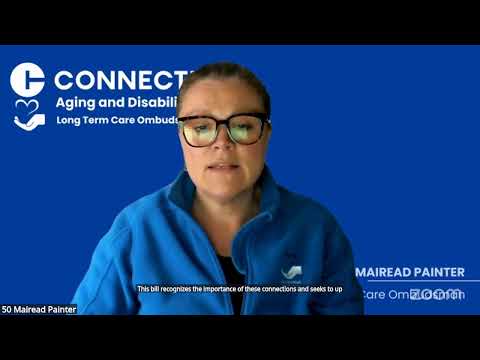
Long‑term care: Mairead Painter, state long‑term care ombudsman, supported HB 6910 to create waitlist exceptions for certain service‑connected veterans in VA‑contracted nursing homes so veterans can choose facilities near family and community; she recommended specifying 100% service‑connected status in the bill text.
Across these items, committee members and witnesses emphasized access, modest cost, and aggregation of services — dental, transit, education and long‑term care — as parts of a comprehensive approach to veteran well‑being. No votes were taken and staff were asked to integrate stakeholder suggestions where feasible.