Get Full Government Meeting Transcripts, Videos, & Alerts Forever!
Get email alerts on the House Rules topic
No spam. Unsubscribe anytime.
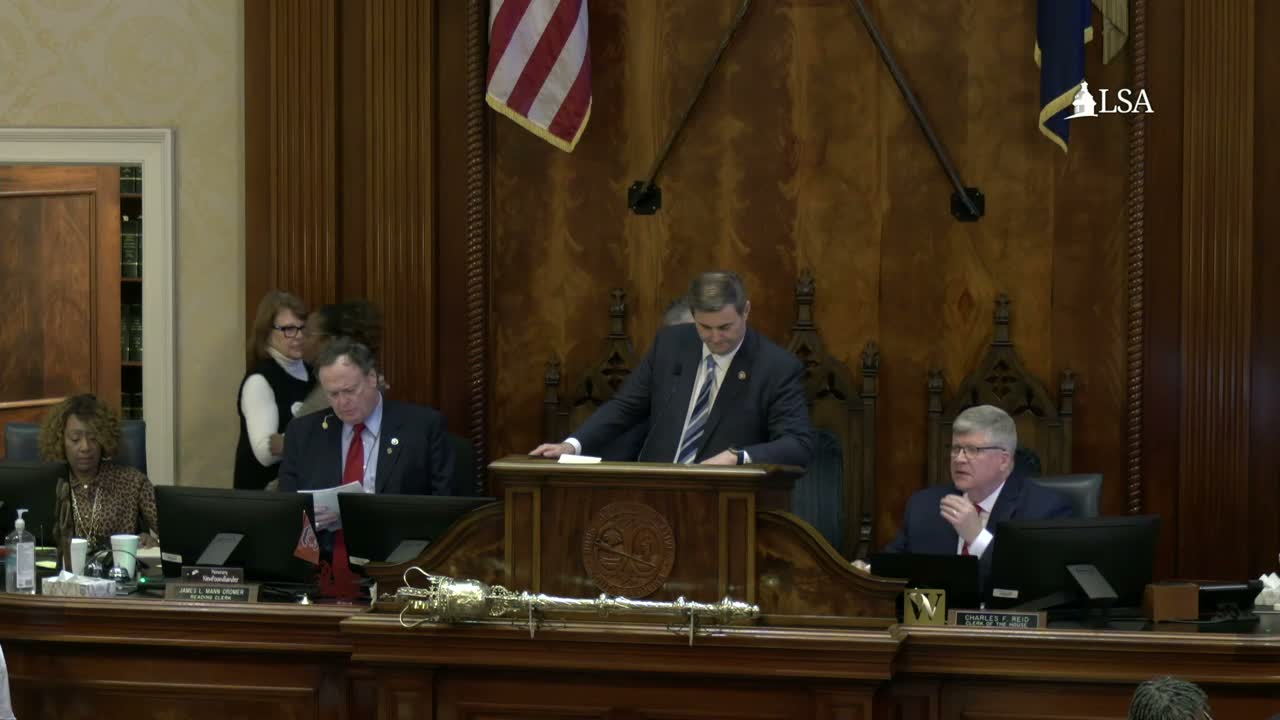
South Carolina House debates sweeping rule changes, members split over eliminating motion period and Committee of the Whole
Summary
House Resolution 38‑15, a rules‑package that would remove the motion period and the Committee of the Whole and expand committee streaming, sparked extended debate, multiple amendment votes and concerns about member rights and public access.
Members of the South Carolina House of Representatives spent much of the day debating House Resolution 38‑15, a package of proposed rules changes that would eliminate the chamber’s traditional motion period, do away with the Committee of the Whole and make a number of other procedural changes intended, supporters say, to protect public participation in committee processes.
Representative Caskey, who explained the rules package, said the changes aim to “enable even more transparency” and prevent parliamentary maneuvers that can move bills to the floor without committee testimony. He told the chamber the package would, among other things, “eliminate the motion period” and broaden what may be placed on special order from “bill” to “matter,” allowing resolutions to be scheduled for particular dates and times.
Opponents challenged the speed of the change and whether members and the public had adequate time to review the text. Representative Magnuson and others said copies of the language were hard to locate and that some members had not had a meaningful opportunity to consult constituents. Representative Magnuson argued the motion period serves as a “safety valve” for members whose bills are stalled in committee, saying, “We should have every idea be able to come before us and dispense of it responsibly.”
Debate centered on two institutional features: the motion period — a short, historically infrequently used day‑of-floor procedure that can pull bills out of committee — and the Committee of the Whole, which can be used to hear bills before the full membership in a less formal committee setting. Supporters said eliminating those options would ensure legislation receives committee scrutiny and public testimony; critics said removing them centralizes power and removes protections for minority or dissenting voices.
A series of amendments addressed concerns about transparency and member rights. Representative King’s amendment to protect speaking time (to stop a member’s clock if interrupted by a parliamentary inquiry) was tabled after a roll call. Representative Harris’s motion to reinstate the motion period was also tabled. Another amendment to require that all committee meetings be streamed was discussed at length; supporters argued the legislature could direct funding or require SCETV to adapt, while opponents cited current resource constraints. That streaming amendment was tabled.
Several procedural motions to recommit the resolution to committee so the public could review it were rejected by the House. As debate continued the chamber recessed for the governor’s State of the State address; at the time of recess multiple amendments had been tabled and no final adoption of the full resolution was recorded in the transcript.
The debate highlighted tensions between leadership’s stated aims of increasing transparency and many members’ concerns about process, notice and the loss of procedural tools. The matter remains before the House as members plan to resume work after the scheduled recess and the governor’s address.