Get Full Government Meeting Transcripts, Videos, & Alerts Forever!
Get email alerts on the Pardon Fees topic
No spam. Unsubscribe anytime.
Legal-aid groups and advocates press committee to waive pardon and fingerprinting fees for indigent applicants
Summary
Legal-aid groups, the ACLU and individual witnesses urged passage of HB 6852 to waive fees associated with pardons and third-party fingerprinting convenience charges, arguing prepayment and online-only processes exclude low-income applicants and impede reentry.
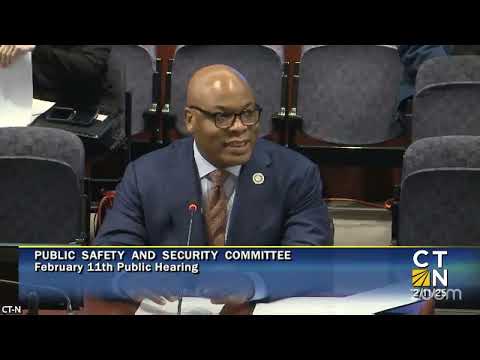
Multiple witnesses representing legal-aid organizations, the ACLU and affected residents told the Public Safety Committee that fees tied to the pardons process create barriers for low-income applicants and urged HB 6852 to extend fee waivers to cover all costs associated with pardons.
Jamie Bell (Greater Hartford Legal Aid), Sarah Parker McKernan (New Haven Legal Assistance/Connecticut legal services programs) and Gus Marks Hamilton (ACLU Connecticut) described how the $75 state criminal-history fee and the $30 third-party fingerprinting convenience fee can be insurmountable for clients who lack credit cards or internet access. McKernan explained that current electronic enrollment in the Connecticut Criminal History Reporting System (CCHRS) requires prepayment and that some departments add additional service fees, making the process inaccessible for indigent applicants.
Joan Martin and other residents urged mobile-friendly access and two-factor authentication to allow people to check Clean Slate eligibility on a cell phone. Testimony noted that Clean Slate automation is expected to finish statewide updates by September 2025 and that waivers and user-friendly design would improve equitable access.
Committee members signaled support for narrowing waivers to indigent applicants if necessary but also discussed the practical benefit of broader access. Lawmakers asked agencies to clarify how waivers would be implemented in the CCHRS workflow so applicants could avoid upfront payment where eligible.