Get Full Government Meeting Transcripts, Videos, & Alerts Forever!
Get email alerts on the One Highland Audit topic
No spam. Unsubscribe anytime.
Fort Thomas residents press council for independent audit of One Highland, urge tighter zoning rules
Summary
Dozens of residents at the July 12 Fort Thomas council meeting criticized the One Highland financing and planning process, urged an independent third‑party audit, and called on the council to tighten zoning—especially building height, setbacks and historic‑overlay rules.
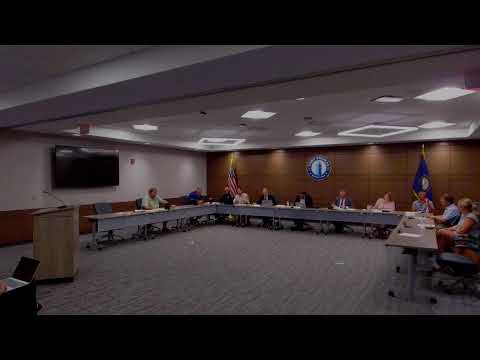
Residents used the public‑comment period at the Fort Thomas City Council meeting to press elected officials for a full independent audit of the multi‑year One Highland development and to demand clearer zoning rules that protect the city’s historic character.
"I am asking that this City Council approve conducting a full independent third‑party audit of the entire process, the procedures in place and the policies followed and learned from the transaction," said a resident who later was identified by the mayor as Dan Gorman, calling for legal, financial and accounting experts not handpicked by interested parties. The request framed the audit as a way to review land acquisition, demolition, contract approval and related approvals across the transaction.
Speakers argued the project’s bond indenture, pilot payments and developer guarantees deserve review. One commenter noted discrepancies in who set condominium pricing and questioned whether private‑sector valuations correspond with current market outcomes.
Residents also emphasized zoning and design concerns. Several urged council to tie allowable building heights to front setbacks, saying the visual impact of a 40‑foot building depends heavily on how far the structure sits from the sidewalk. One speaker suggested limiting building widths to 75 feet in the central business district and asked staff and consultants to provide visual modeling so council and residents can see how proposed heights and setbacks would actually look on local streets.
Council members and staff did not reject the audit idea. One councilor said staff would gather estimates and suggested bringing cost information back at a July 31 meeting; another council member said preliminary discussions with vendors indicated a comprehensive audit might cost on the order of tens of thousands of dollars. "I think that's the time to do it because that'll be kind of — I think so too," a council member said when asked about scheduling an audit briefing.
The meeting also included exchanges about conflict‑of‑interest processes and advisory opinions; speakers urged the council to clarify what constitutes an appearance of impropriety and to ensure the same standards apply across boards and commissions. Several residents asked the council to solicit guidance directly from the city’s historic consultant, Wes Cunningham, and from preservation advisors before finalizing ordinance language.
Next steps: council members asked staff to circulate audit‑cost options and supporting memos in advance of the July 31 meeting so the body can consider whether to formally authorize an independent review.