Get Full Government Meeting Transcripts, Videos, & Alerts Forever!
Get email alerts on the Historic Preservation topic
No spam. Unsubscribe anytime.
Residents and preservationists clash over proposed Tower Park historic overlay in Fort Thomas
Summary
Public comment at the Fort Thomas City Council meeting focused on the proposed historic-preservation overlay for the Tower Park area, with preservation groups urging an enforceable overlay and some residents saying existing HOA and development agreements already offer strong protections.
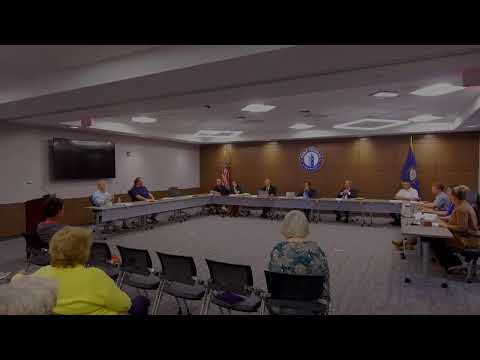
Preservation advocates and neighborhood residents squared off Tuesday as the Fort Thomas City Council continued public hearings and received comment on proposed zoning changes that would establish a historic-preservation overlay (HPO) for the Tower Park area.
Seth Johnson, executive director of the Cincinnati Preservation Association, told the council the overlay would bring predictable, transparent standards and an appealable process that private deed restrictions do not provide. "By having an HPO over this area, you would allow for a process for approval and even appeal," Johnson said, arguing that an HPO provides a legally defensible framework and third-party enforcement that deed restrictions lack.
Some Tower Park residents disagreed. Steve Beverly, who identified himself as a Green Street homeowner and an attorney who practices in planning and zoning, said his neighborhood is governed by a binding development agreement and HOA rules that, he said, already incorporate National Park Service historic-preservation standards. Beverly told the council his HOA requires an eight-of-10 homeowner supermajority to approve exterior changes and cautioned that guidelines used as a temporary measure "are not laws." "If you're actually going to take the big huge step in doing historic overlay, you need to have regulations in place, not just guidelines," Beverly said.
Other public commenters asked the council to reconcile discrepancies between the draft zoning ordinance and the city's design-review guidelines. One speaker asked the council to include ordinance language stating that where the zoning code conflicts with the design guidelines, the guidelines should prevail to ensure setbacks, heights and massing remain consistent with the neighborhood's character.
Council members and staff did not take final action on the overlay during the meeting. The city planning consultant and staff will continue to refine draft language; several speakers asked for more public engagement before any final adoption. The council did not schedule an immediate vote on the overlay at Tuesday's session.
What happens next: council members said the topic will return for further discussion at a later meeting after staff addresses the questions raised by residents and the consultant's report.