Get Full Government Meeting Transcripts, Videos, & Alerts Forever!
Get email alerts on the Parks Funding topic
No spam. Unsubscribe anytime.
Coos Bay parks commission to explore parks foundation, voluntary restaurant contribution and urban‑renewal review to boost funding
Summary
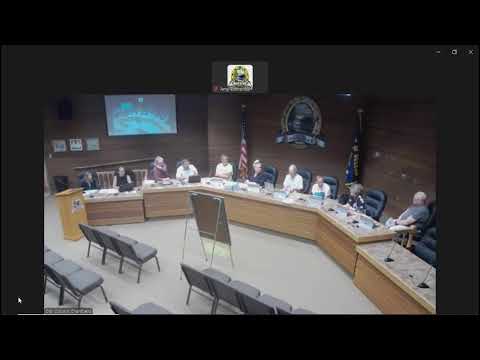
At an Aug. 1 Parks Commission work session, commissioners heard a staff review of alternative funding options for parks — including a parks foundation, a voluntary food-and-beverage contribution pilot and a review of the city—s urban renewal districts — and asked staff for follow-up briefings before any formal action.
Vice chair Carmen Matthews presided over an Aug. 1 Parks Commission work session in Coos Bay where commissioners agreed to investigate three funding paths for parks: creating a parks foundation, piloting a voluntary food-and‑beverage contribution for local businesses and requesting a detailed briefing on the city—s urban renewal districts.
The commission reopened a discussion originally started at an earlier work session and heard a presentation from Commissioner Coco Sutton outlining pros and cons of options ranging from a special park taxing district to grants and volunteer programs. Sutton said a taxing district ——would set up a permanent—— funding base but requires voter approval and added reporting obligations. She also warned that grants often require significant staff time and a multi-year timeline to measure return on investment.
Why it matters: commissioners said current revenue streams do not reliably cover growing park maintenance and capital needs. Creating a foundation could unlock donations and estate gifts that the city cannot directly receive, while a voluntary restaurant contribution would aim to capture some support from visitors without imposing a formal tax.
Commissioners praised the foundation model used by the library as an example and discussed practical steps. Commissioner (and library trustee) speakers described how a nonprofit foundation can accept bequests and hire grant writers and noted the biggest barrier is sustaining active volunteers and board members over many years. The commission noted that foundations generally cannot immediately replace stable operating revenue and that grant funding is often for capital items rather than ongoing operations.
On urban renewal, several commissioners urged a clearer accounting of the two local urban renewal districts and their bonds and encumbrances before proposing any plan to redirect those funds. One commissioner urged the group to —rethink ROI and ROA— for urban renewal investments and to consider whether encumbrances or bond life limit near-term options.
No formal motions or votes were taken, as the meeting was a work session. Commissioners requested staff circulate draft staff reports and scheduled follow-up briefings: a URA (urban renewal) presentation is being requested for an October 3 work session, and commissioners plan to present recommendations at a joint council–parks commission work session on Sept. 24.
—The pro is it would set up a permanent funding base,— Commissioner Coco Sutton said during the discussion. Chair Ariane Lyons asked staff to prepare materials to help the commission present clear options to the City Council.
Next steps: staff will circulate draft reports to the commission in advance of the next work session, the commission will invite a URA/finance representative to explain current URA encumbrances and debt, and commissioners agreed to continue exploring the foundation and a voluntary food-and‑beverage pilot before proposing formal policy changes.