Get Full Government Meeting Transcripts, Videos, & Alerts Forever!
Get email alerts on the Environment Floodplain topic
No spam. Unsubscribe anytime.
Monmouth opts for permit-by-permit approach in response to FEMA interim floodplain rules
Summary
Facing a Dec. 1 FEMA deadline, Monmouth directed staff to tell FEMA it intends to implement a permit-by-permit habitat assessment approach (Option 3) rather than adopt FEMA's model code or a moratorium. Staff cited limited local floodplain activity but noted implications for buildable land and added reporting requirements.
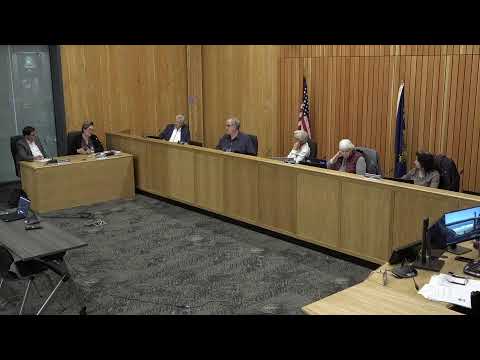
Monmouth, Ore. — With a Dec. 1 federal reporting deadline looming, Monmouth's City Council on Nov. 19 directed staff to notify FEMA that the city intends to use a permit-by-permit habitat-assessment approach for FEMA's short-term interim floodplain measures.
Staff briefed the council on a recent FEMA directive that arose from consultations with the National Marine Fisheries Service and related litigation. FEMA offered three interim options: a moratorium on new floodplain development, adoption of FEMA's model code, or a permit-by-permit habitat-assessment process that evaluates and mitigates impacts on a case-by-case basis. Suzanne Dufner said staff recommended the permit-by-permit approach as the most realistic short-term choice for Monmouth.
Dufner explained that Monmouth receives few floodplain permits annually (one or two in some years) and that much of the city's floodplain is in conservation easements or used for parks and utilities. She also noted additional FEMA reporting requirements beginning in January 2025 and concerns about the model code's fit with Oregon's "clear and objective" land-use standards.
Councilor McKeel moved and Councilor Oberst seconded a motion directing staff to inform FEMA of Monmouth's intent to use the permit-by-permit interim measure; the council approved the motion. Council discussion noted statewide uncertainty, litigation risk and the need for coordination with state land-use requirements.
What happens next: staff will file the city's response to FEMA by the Dec. 1 deadline, begin collecting required floodplain permit data starting Jan. 2025, and pursue code and policy work as needed to align local regulations with any long-term FEMA requirements.
Selected quote: "If cities do not pick one of those three implementation measures, then they're automatically kicked into the permit by permit's interim measure," Dufner said during her presentation.